Neuromuscular Medicine and Clinical Neurophysiology/EMG Fellowships
Overview
The Stanford Division of Neuromuscular Medicine offers:
- Four ACGME-accredited fellowship positions in Neuromuscular Medicine (NMM)
- One ACGME-accredited fellowship position in Clinical Neurophysiology/EMG (CNP/EMG)
Visit “How to Apply” for application information.
All positions are ACGME-accredited.
The NMM and EMG/CNP fellowships both offer exceptional training in adult and pediatric neuromuscular disorders, EMG/NCS, neuromuscular ultrasound, neuropathology, and clinical applications of neurogenetics and neuroimmunology. For pediatric neurologists, either fellowship can be designed with a significant pediatric focus.
Either fellowship program can be coupled with an additional year for advanced research and/or clinical training. Fellows are strongly encouraged to consider this option. The two-year pathway is an excellent opportunity to pursue more in-depth research, gain additional procedural and clinical skills, enroll in courses in education and research, and lay a strong foundation for the fellow’s future career.
In keeping with ACGME requirements, the EMG/CNP fellowship year incorporates two months of training in a separate area of neurophysiology. This may be Sleep/Polysomnography, EEG, or IOM. Training in Sleep/PSG may be arranged with a focus on neuromuscular sleep and respiratory management.
Visit Frequently Asked Questions for information about rotations, training sites, didactics, benefits, and life in the Bay Area.
The compensation for Stanford housestaff is highly competitive. There are additional stipends to cover conference attendance, housing, moving expenses, cell phone fees, medical licensing, etc. Excellent comprehensive medical, dental, and vision coverage is provided for the entire family. Visit the GME website for information about salary and bonuses.
Clinical Training
Multidisciplinary Neuromuscular/MDA/ALS Clinics: Fellows rotate through robust adult and pediatric clinics with support from the MDA, ALSA, RN, PT, OT, RT, SLP, dietician, social worker, and genetic counselor. Includes our Family Clinics, where related adults and children are seen together.
Neuromuscular Immunology Clinics: Focus on autoimmune conditions and clinical trials, with support from an integrated pharmacist and respiratory therapist.
Neuromuscular Continuity Clinics: Fellows have primary responsibility for decision making and care coordination. Wide range of “bread and butter” cases and unusual presentations.
Peripheral Nerve Injury Clinic: Fellows see unusual cases for exposure to peripheral neuroanatomy, precise examination techniques, optimization of EMG/NCS and neuromuscular ultrasound planning, MR imaging, and complex care coordination.
Neurodiagnostic Lab: Fellows see a wide range of common and unusual EMG/NCS cases. Opportunities for exposure to single fiber EMG, laryngeal EMG, and the EMG evaluation of dystonia, myoclonus, and functional disorders.
Neuromuscular Ultrasound: Fellows evaluate adult and pediatric nerve conditions and neuromuscular disorders.
Inpatient Consultation and EMG Service: Fellows see highly educational inpatient cases in the adult and pediatric hospitals, perform bedside EMG/NCS, and provide teaching and guidance to neurology residents.
Electives: Fellows may pursue opportunities for further study in autonomic clinics and autonomic testing, botulinum toxin injections, evoked potentials, medical genetics, nerve surgery, neurogenetics, palliative care, physiatry, rheumatology, sleep and respiratory medicine, and other related areas.
Clinical Trials: Fellows may participate in many groundbreaking clinical trials for genetic and autoimmune conditions.
Outpatient and Inpatient Training Sites
Visit links to learn more about the training sites, which are designed with neurological patients’ needs in mind.
Research
All fellows engage in clinical research and/or quality improvement projects with the help of faculty mentors. There are ample resources for clinical and laboratory research, and an active and varied clinical trial program where fellows may participate in study visits and meetings. For fellows with specific clinical and research interests, there is potential for an additional 1-2 years of clinical and/or research training through internal funding. Past fellows have also obtained research funding through the Muscular Dystrophy Association and NIH/NINDS R25 program.
Fellows are encouraged to engage in the broader academic neuromuscular community by attending national and regional neuromuscular meetings. Support is provided for meeting attendance, and fellows are encouraged to pursue opportunities for presentations and publications.
Didactics
The robust didactic program focuses on foundational and cutting-edge topics. Recurring sessions include:
- Neuromuscular Didactic Series
- Neurophysiology Didactic Series (EMG/NCS, Neuromuscular Ultrasound, Autonomic Testing, IOM, etc)
- EMG Waveform Review
- Neuropathology Didactics and Slide Review
- Journal Watch
- Fellows’ Debate Club
- Challenging Case Conference (CME-accredited)
- PNS/CNS Neuroimmunology Conference
- Neurology Grand Rounds
- Opportunities to attend multidisciplinary interdepartmental conferences focused on peripheral nerve injury, facial nerve injury, neurofibromatosis, epilepsy/EEG, and other topics.
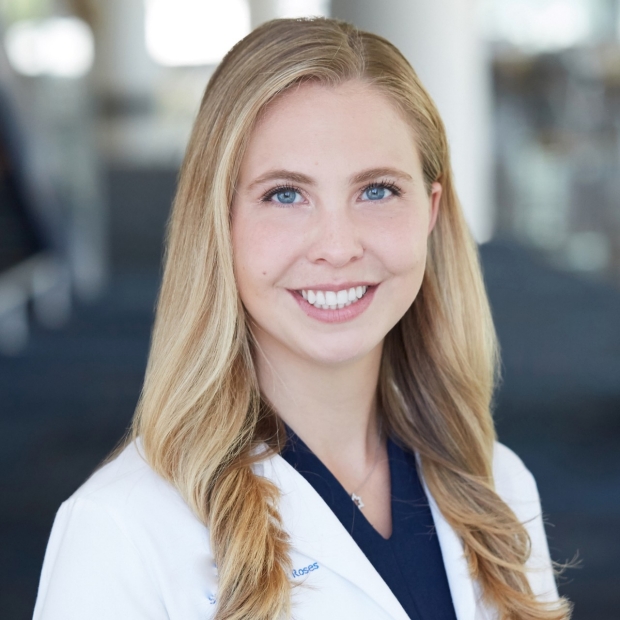
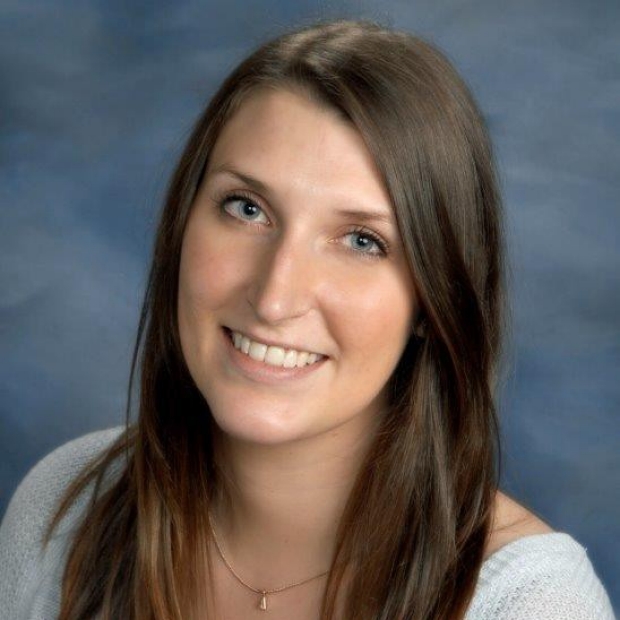
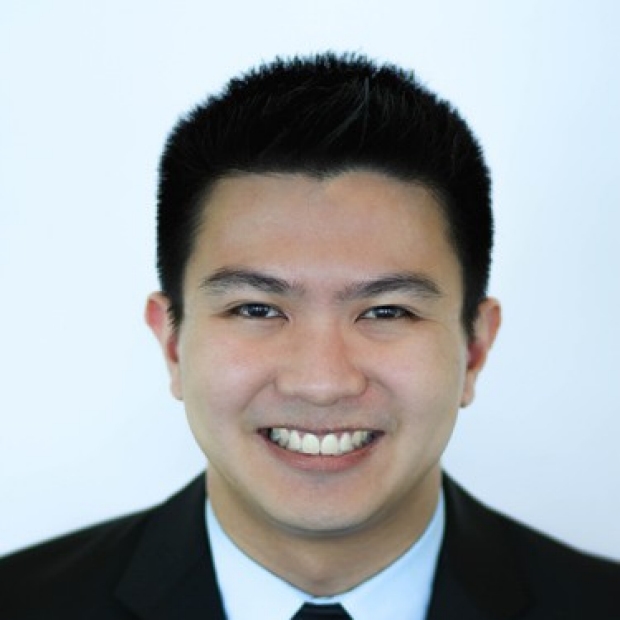

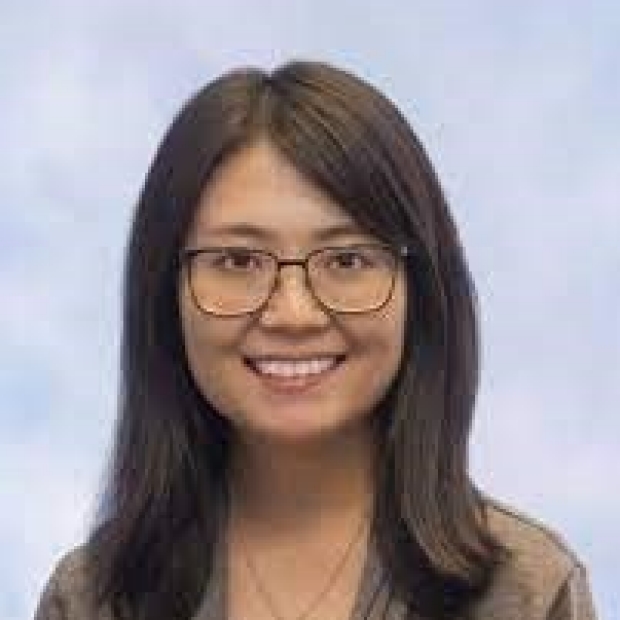

Gayla Weng
Program Coordinator
650.725.7623
gweng@stanford.edu
Fellowship Contacts
Program Director:
Sarada Sakamuri, MD
sakamuri@stanford.edu
Interim Program Director:
John W. Day, MD, PhD
jwday@stanford.edu
Interim Associate Program Director:
Kathie Lin, MD
kathie.lin@stanford.edu
Program Coordinator:
Susanne Chin
(650) 721-7313
schin2@stanford.edu