
Stanford Otolaryngology — Head & Neck Surgery Department
A thriving department with a world-class reputation and a culture of respect and consideration for one another.
In Spotlight
Apply to Our NIH/NIDCD R25 Clinician Scientist Training Program
Medical Student Research Track
Spring Application Deadline: April 8, 2024.
Expected decisions in May 2024.
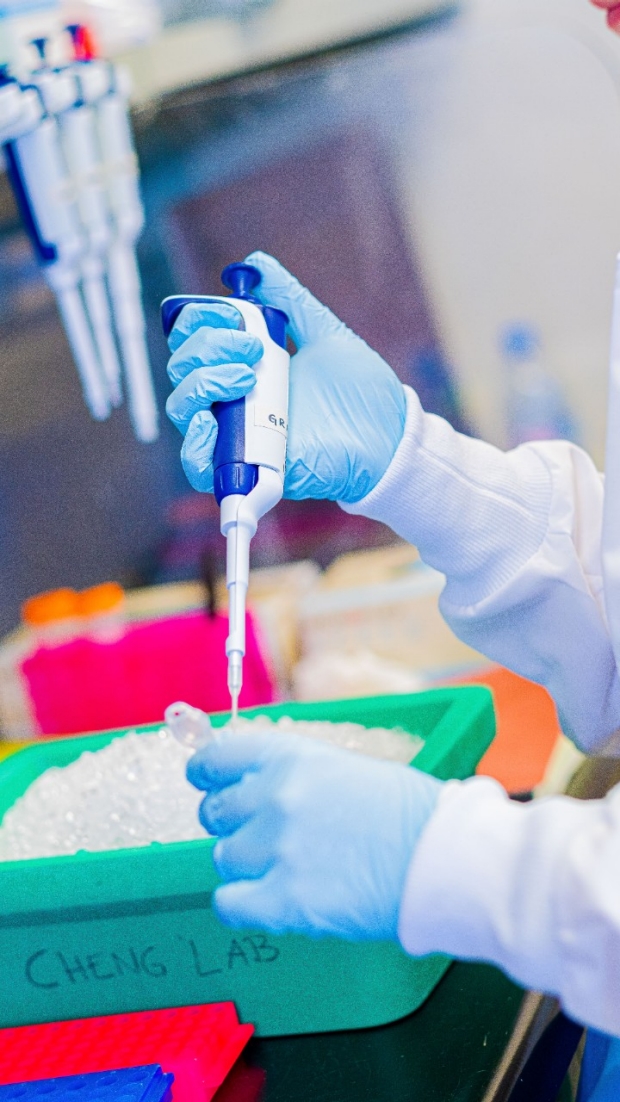
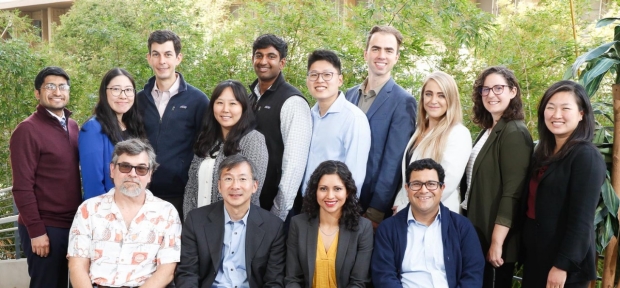
The Stanford NIH/NIDCD R25 Clinician Scientist Training Program (Medical Student Research Track) supports comprehensive training in basic, translational, and clinical research on communications disorders. Trainees are also encouraged to attend and participate in the weekly OHNS research seminars, journal clubs, and Sensory Neuroscience and Engineering seminars. The goal of this program is to train the next generation of physician-scientists in the field of communication disorders.
Upcoming SNE Seminars
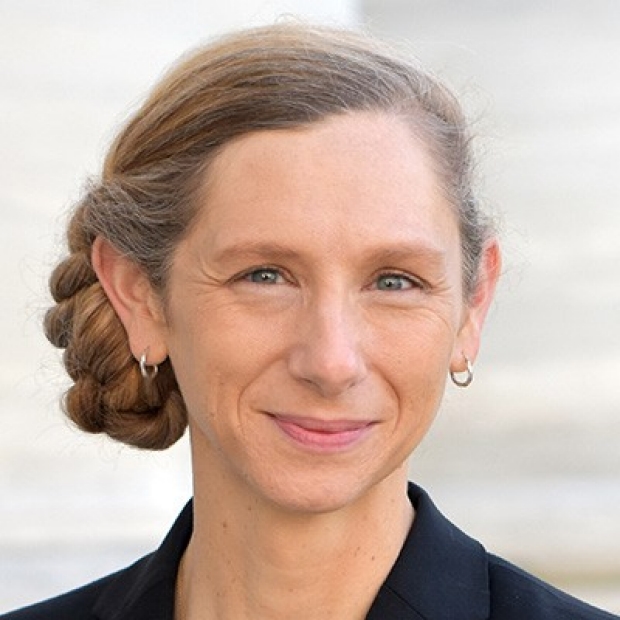
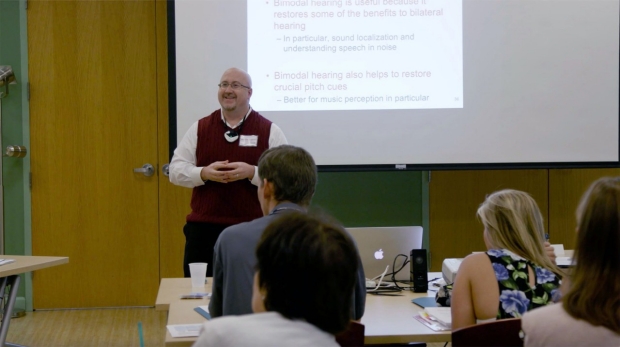
Please join us on April 5, 2024 for Dr. Ryann Fame's seminar, "Keeping the Brain Afloat". For more details on upcoming SNE Seminars click the button below.
Mai Thy Truong, MD, was featured by Stanford Medicine Children’s Health
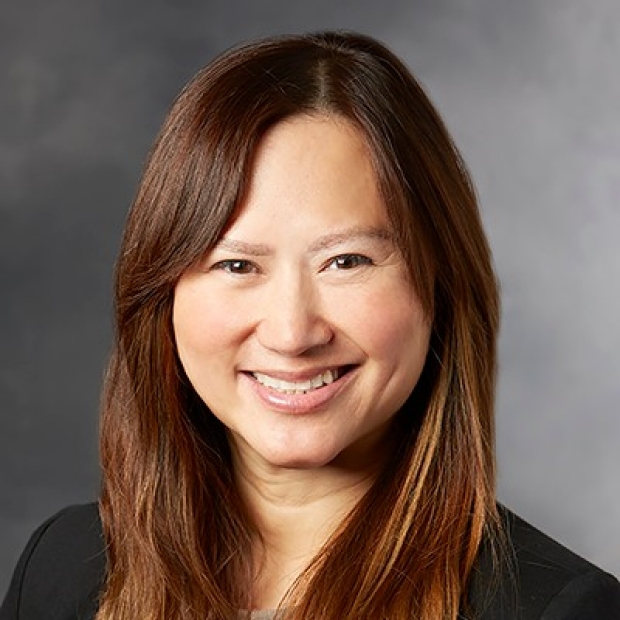
In celebration of Women’s History Month, the “Healthier, Happy Lives Blog” asked Dr. Truong to share about giving children hearing and confidence through her work.
Stanford OHNS team wrote the most cited article from JAMA Oto-HNS in 2023
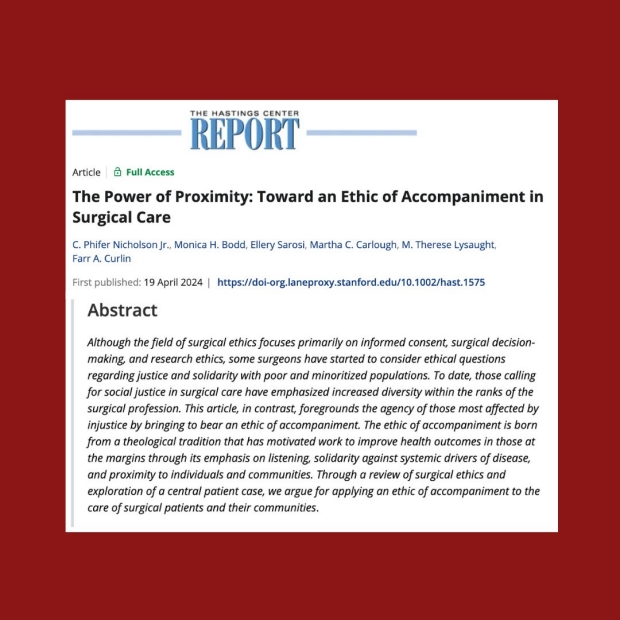
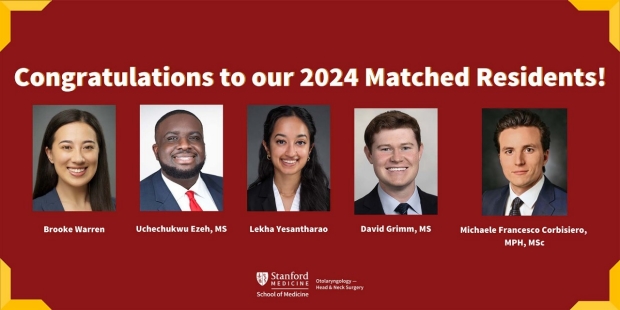
The most cited article from JAMA Oto-HNS in 2023 was a paper from our department with Dr. Noel Ayoub as lead author, Dr. Yu-Jin Lee, the newly matched Dr. David Grimm, and Dr. Karthik Balakrishnan.
Castle Connolly has announced their 2024 Exceptional Women in Medicine list
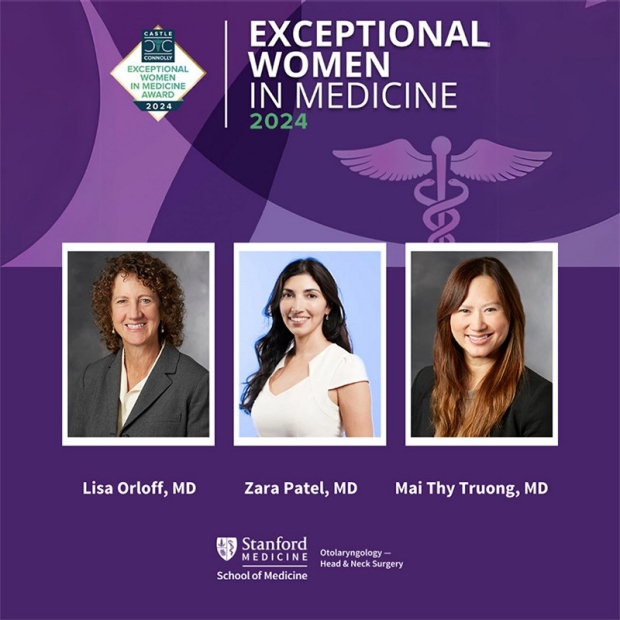
We are proud to announce that Drs Lisa Orloff, Zara Patel, and Mai Thy Truong have been recognized for the 6th consecutive year by Castle Connolly as Exceptional Women in Medicine! They continue to be pioneers of medical excellence and change in our community.
Congratulations to Michael Chang, MD for receiving a Stanford CARE seed grant
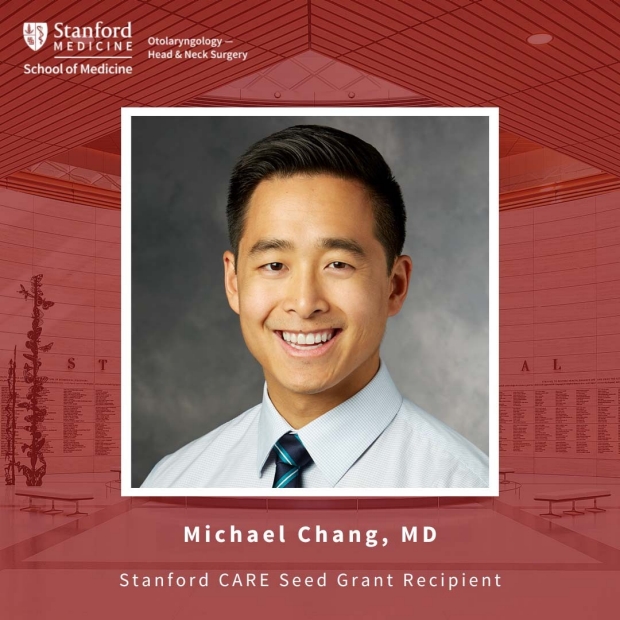
The seed grant of $50,000 from the Stanford Center for Asian Health Research and Education (CARE) will be for Dr. Chang’s research on “Improving Nasopharyngeal Carcinoma Diagnosis Through Deep Learning of Endoscopic Images.” This collaborative research grant further strengthens our team’s foundational work towards being an AI research center of distinction in rhinology.
Make a Difference
Every dollar you give touches not only the people and projects you directly support, but also every resident, every patient, and our entire community — including YOU.
Gifts create a lasting legacy for the donor and provide a perpetual source of support for OHNS. Gifts may be made in memory or in honor of a loved one, or to a special occasion.
Your gifts support our researchers, our community, and our work.