Current Residents
Class of 2024
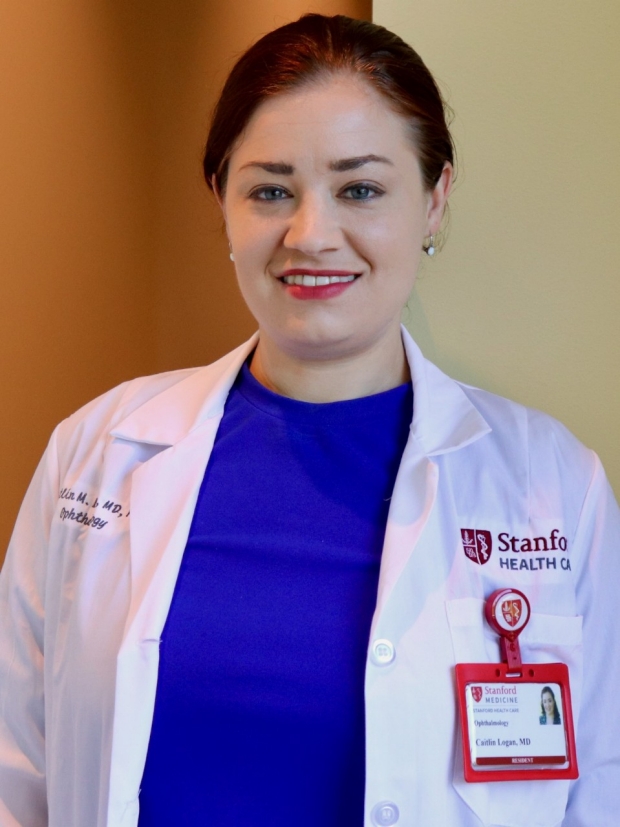
Caity Logan, MD, PhD*
I was born and raised just outside Philadelphia and attended undergrad at Smith in Massachusetts as an English major before heading back to Philly for my MD/PhD at Thomas Jefferson University, where I studied lens development and immunology. I was super excited to continue doing vision research after falling in love with the field and came to Stanford as a SOAR resident, where I've been working in Dr. Myung's lab, doing research on corneal wound healing for the past year. I'm very excited to now start clinical training alongside such wonderful co-residents and mentors. Outside of medicine, I have interests in creative writing, singing and theater as well as hiking and enjoying the California outdoors.
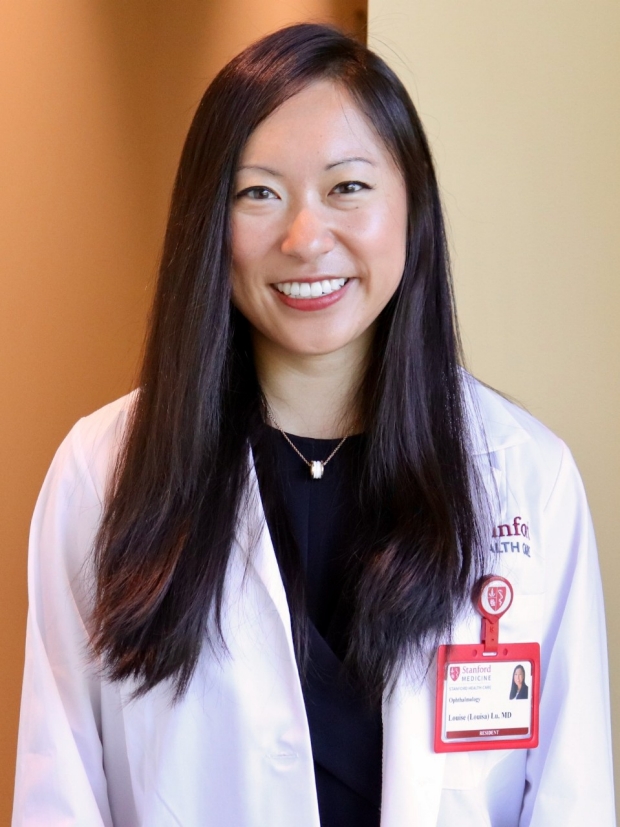
Louisa Lu, MD
I grew up in Houston and attended undergrad at Stanford, majoring in Human Biology with a concentration in Global Health and Infectious Disease. I spent a year after college working on global health and epidemiology projects in France, Bolivia, and rural China before starting medical school at Yale. During medical school, I was awarded a Fulbright scholarship and a Doris Duke fellowship to spend a year living in Northern Thailand, where I conducted research on cytomegalovirus retinitis in HIV-infected patients and smartphone retinal imaging for tele-ophthalmology screening. I am thrilled to be back at Stanford for my ophthalmology training, as I appreciate the warm and welcoming culture, the brilliant faculty who are enthusiastic about teaching and being supportive mentors, and the unique opportunities to continue pursuing my interests within ophthalmology in global health and medical education. I am an outdoor enthusiast and love to spend my time trail running, cycling, and ice cream-seeking all around the beautiful Bay Area!
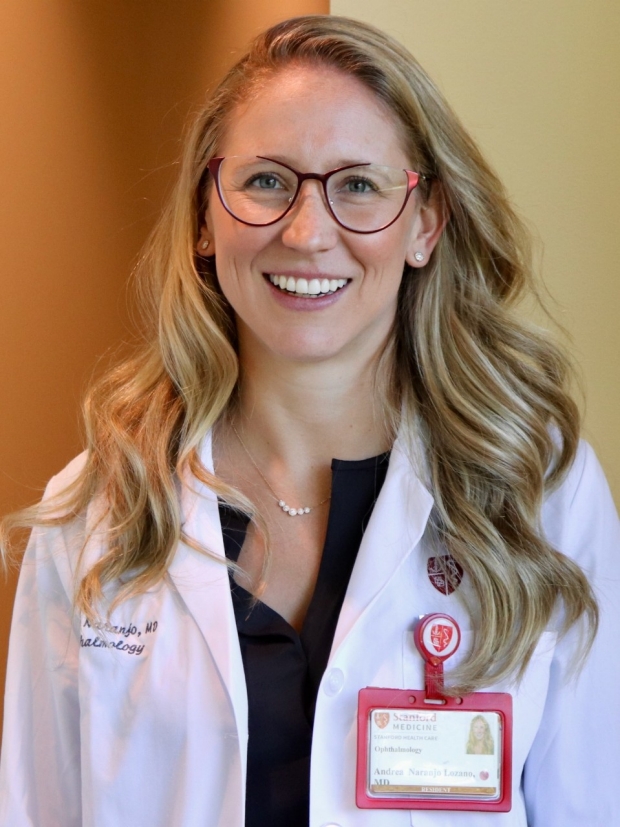
Andrea Naranjo, MD
I was born and raised in Bogota, Colombia, but my professional and personal pursuits have given me the opportunity to live in different places around the world. After high school, I moved to France and Italy for a year and then returned to Colombia to obtain my medical degree at the Universidad de los Andes. During these years I also moved to Chicago to perform stem cell research at Northwestern University and completed elective rotations in Ophthalmology in London and Miami. I then stayed in Miami to complete a Cornea and Ocular Surface Research Fellowship and an Ophthalmic Pathology Research Fellowship at Bascom Palmer Eye Institute. I am finishing the General Surgery intern year at Stanford and I am thrilled to continue to be a part of the Stanford family during my Ophthalmology residency.

Elaine Tran, MD
My family came to the United States as refugees from the Vietnam war, (and we used to have a restaurant in the Tenderloin district of San Francisco!). I grew up in the Bay Area, went to Harvard for college, and Stanford for medical school and residency. Stanford is the ideal place to dive into research, hone clinical skills, engage with the community, and build a career in global ophthalmology. And the people here are one of a kind – I only connected with my resident class this year, and we’re already so close. It’s impossible not to fall in love with the community, the sunshine, and the food - and I'm so thrilled to be staying.
Class of 2025
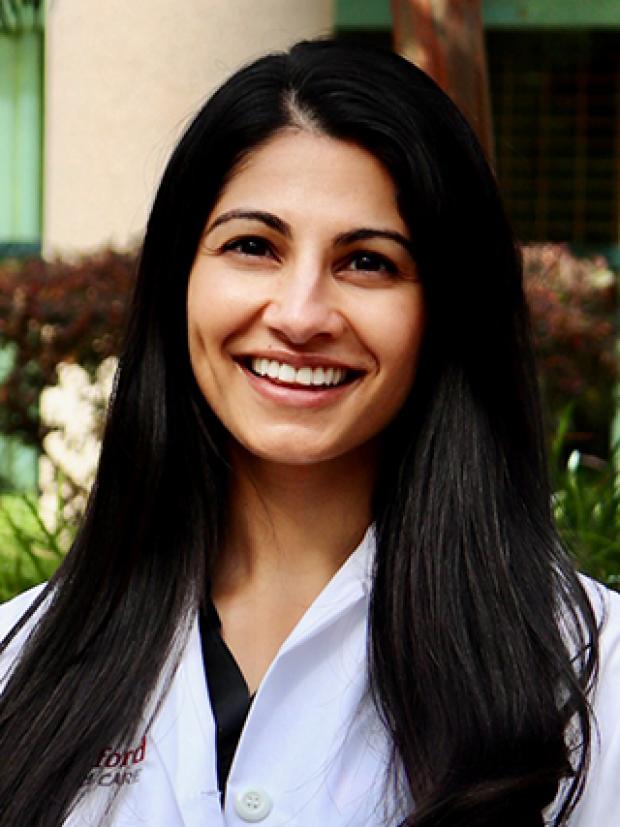
Aneesha Ahluwalia, MD
I grew up in Minnesota aka the Land of 10,000 Lakes. I moved to the East Coast for my undergrad at Yale and continued on at Yale for medical school. I was thrilled to match at Stanford for residency and completed the General Surgery intern year at Stanford. I chose Stanford because it stood out to me as a program with not only excellent clinical and surgical training, but also an amazing culture of education, mentorship, and innovation. I also really appreciated the collegial environment and the department’s dedication to supporting residents in whatever future path they choose to pursue as an ophthalmologist. Lastly, I was very excited about the prospect of calling beautiful Palo Alto my home and living here has been even more lovely than I could have imagined.
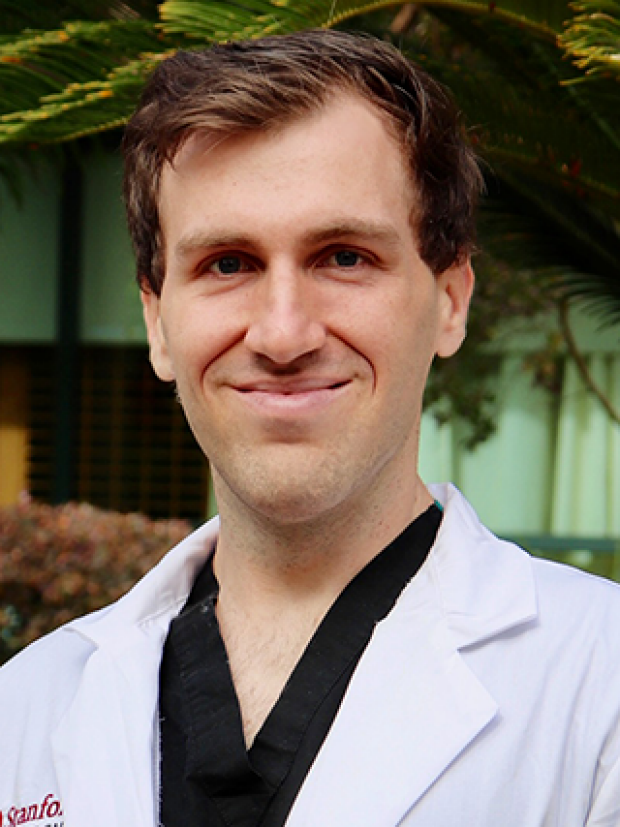
Arthur Brant, MD
I grew up in Canfield, a small town in Northeast Ohio. I attended Stanford University for undergrad, where I studied Computer Science and Premed. After college, I joined Google[x] Life Sciences (Verily) as a Software Engineer and worked on a variety of projects, ranging from Multiple Sclerosis genomics to cloud security. Two years later, I returned to Stanford for medical school, where I continued to lead the cloud security team at Verily and began working closely with Dr. Geoffrey Tabin on several global health projects and Dr. Suzann Pershing on retrospective studies using the IRIS database. I am currently a General Surgery intern at Stanford, and will begin my Ophthalmology training next year. Stanford was my top choice - first and foremost I dreamed of continuing working with my world-class mentors who have selflessly invested so much time and effort in me over the past decade. Additionally, the strong clinical training, diverse patient population, collaboration with industry, accessibility of Stanford faculty in other departments, and year-round beautiful weather made Byers Eye the perfect fit for me.
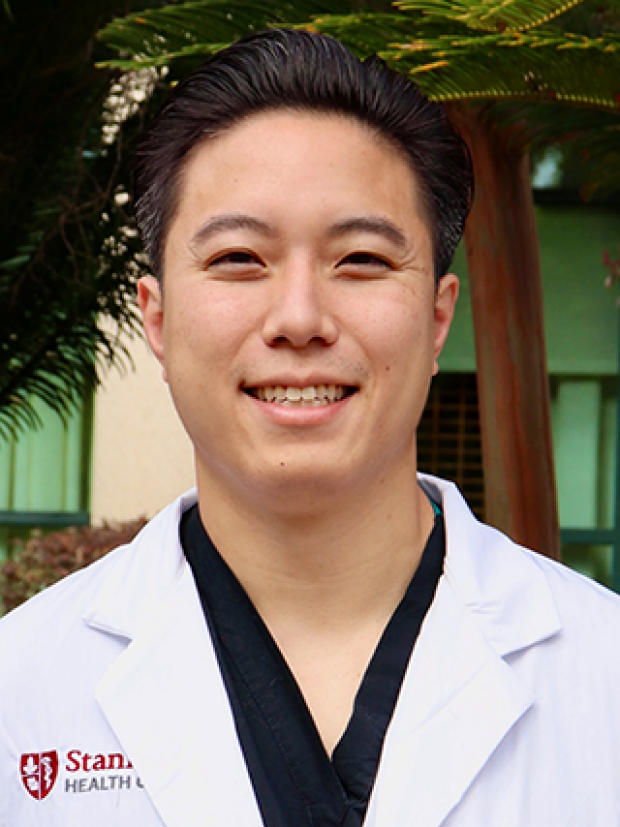
Brian Soetikno, MD, PhD*
I call the Bay Area my home as I grew up in Union City, CA, and attended high school in Saratoga. I studied biomedical engineering at Washington University in St. Louis, where I spent a few years in a biomedical optics research lab - foreshadowing my later interest in ophthalmology. After graduating in 2013, I headed to Chicago to join the MD/PhD program at Northwestern University. I got hooked on ophthalmology during my M2 year, after I scrubbed for surgery and sat at the operating microscope with retina-surgeon/scientist Dr. Amani Fawzi. I was further captivated after completing a PhD in optical coherence tomography with Dr. Hao Zhang. Since coming to Stanford, I have found immense satisfaction in serving the Bay Area communities through the program's diverse clinical training sites. With the tremendous support of multiple faculty, I have continued to pursue my passion for OCT research, and I dedicated my SOAR year to working in Dr. Dubra's retinal imaging lab and obtained an MS in clinical informatics management from Stanford. Throughout internship and residency, I have been surrounded by supportive, inspirational trainee all-stars. In my free time, I enjoy dabbling in road cycling, working on obtaining my purple belt in jiu-jitsu, and exploring new restaurants. All of the above have made me happy and grateful to be part of Stanford’s residency program.
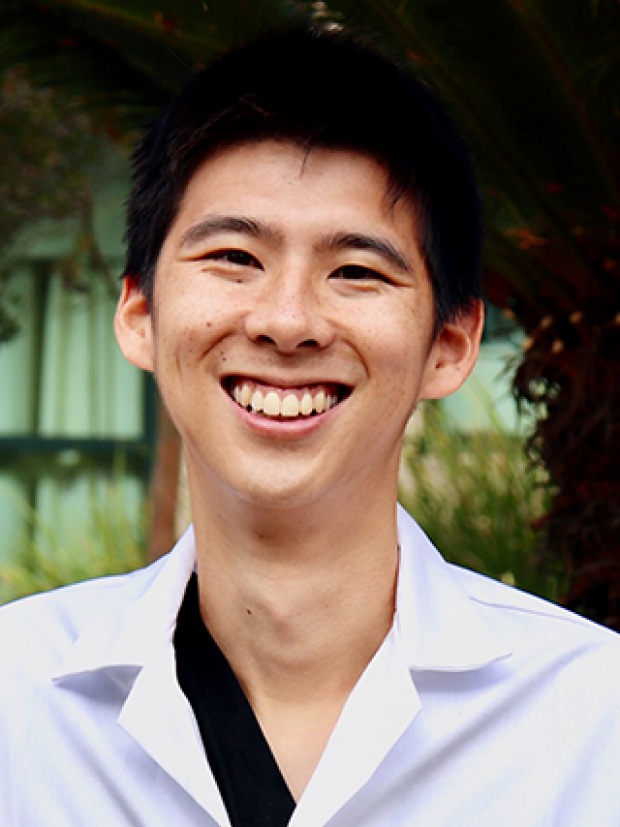
Sean Wang, MD*
I grew up in a combination of Memphis, Chicago, St. Louis, and Los Angeles and attended college at Stanford. I earned my MD in 2020 from Harvard Medical School, during which I trained with Dr. Constance Cepko to develop new gene therapy approaches for retinal degeneration and was an HHMI Medical Research Fellow. I completed my transitional year at Cambridge Health Alliance and was also a fellow at Vida Ventures, a life sciences investment firm. As a SOAR resident, I am working with Dr. Howard Chang in Genetics to study RNAs in the eye and their potential as therapies for ocular disease. In my spare time, I enjoy playing tennis, listening to K-pop, and trying to socialize my dog.

Gina Yu, MD
I grew up serving soul food at my family’s fried chicken restaurant in Michigan, where I was born and raised. I then attended college at Harvard and grew my interest in ophthalmology, which began after witnessing my father struggle through an incident that caused him to unexpectedly become blind in one eye. After publishing on VMT, portable ophthalmic imaging, UWF biomarkers in JAMA Ophthalmology, Retina, TVST, AJO, I transferred my research to Michigan, where I attended medical school. I also took a gap year to study medical journalism at Stanford and CNN, hoping to learn how I could use media to improve patient advocacy and health literacy, especially within ophthalmology given what happened to my father. Besides covering COVID-19 at CNN, through this fellowship, I discovered the unbelievably limitless opportunities available at Stanford. I learned how special its ophthalmology program is and met people who have inspired me since I began my interest in ophthalmology. I knew Stanford was where I wanted to train because it has everything: passionate faculty and trainees who will continue to inspire me, cutting-edge ophthalmic research, and resources that will help me cultivate all my diverse interests.
Class of 2026

Lyna Azzouz, MD
I completed medical school at University of Michigan, where I served on the medical student council leadership and led development of a new course in healthcare disparities. I am interested in medical education, access and quality of care, and recently led a 25-student team to investigate access to care and telemedicine during COVID-19, including identifying barriers to care and intervening by connecting patients directly with clinics. I also worked on diabetic retinopathy biomarkers and remote monitoring for AMD and seek to be an outstanding clinician and agent of change in my community.
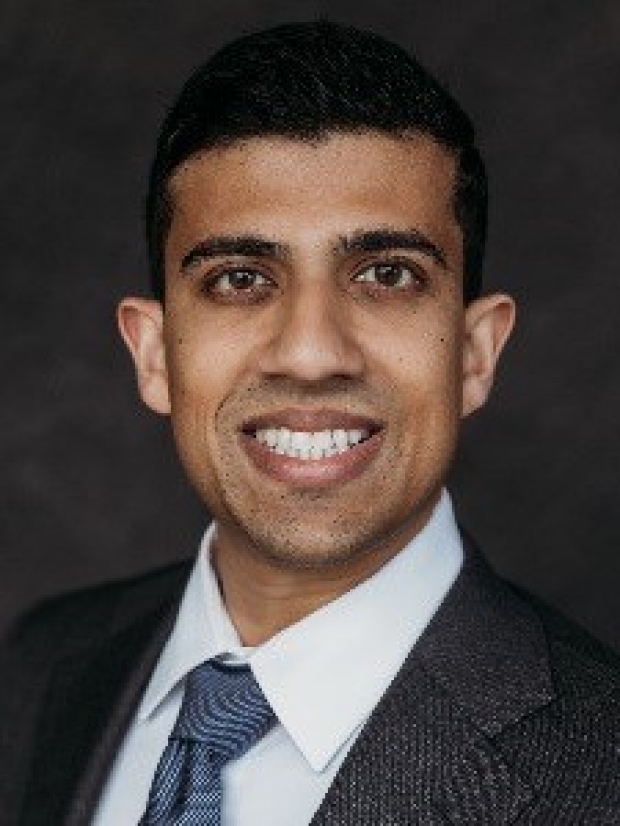
Sahil Shah, MD, PhD*
I was born in Mumbai, India, but grew up in New Jersey where most of my family still lives. After high school, I attended the University of Maryland, College Park for undergrad where I studied Neuroscience and was first exposed to basic science research and clinical care. I wanted to continue both tracks, and therefore joined the MD/PhD program at the University of California, San Diego. My experiences in the ophthalmology free clinic working to preserve sight in the underserved population led me to focus in ophthalmology as a field. I joined the lab of Dr. Jeffrey Goldberg studying the role of protein synthesis and transport in neurodegenerative diseases like glaucoma and developing methods to preserve vision in patients with such conditions. I spent several years in the Bay Area during this time, and really enjoyed the collaborative, approachable atmosphere within the department and the encouragement to pursue other interests like global health, research, or innovation in addition to clinical training. I am excited to join the department as a SOAR resident!

Anna Bettina Toth, MD, PhD*
I was born in Budapest, Hungary. My family immigrated to the U.S. when I was five years old, and I spent most of my childhood growing up in Michigan. I attended the University of Michigan for college, where I studied Neuroscience and developed a strong interest in basic science research, especially cellular and molecular neurobiology. This formative experience in the laboratory inspired me to pursue a combined MD/PhD at Northwestern University in Chicago, where my thesis work focused on intracellular calcium signaling pathways in neuroglial cell physiology and synaptic plasticity. In medical school, I found my career calling in the fascinating and innovative specialty that is ophthalmology and chose to pursue residency training at Stanford because of this program’s uniquely strong support for the career development of physician-scientists. As an aspiring academic ophthalmologist, I was drawn to the exceptional clinical and surgical training environment here, as well as the opportunity to pursue my passion for research and discovery along the way. As a SOAR resident, I plan to combine my interest in cellular and molecular neuroscience with vision science to study neurodegenerative diseases of the retina and optic nerve.
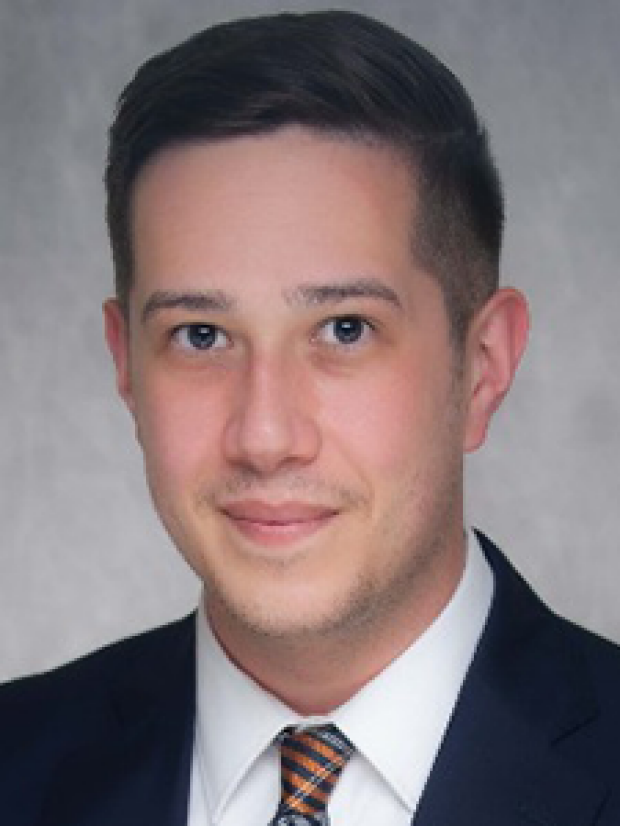
Gabriel Velez, MD, PhD
I completed my MD and PhD degrees at The University of Iowa. I worked in Dr. Vinit Mahajan’s lab, where my PhD research focused on using x-ray crystallography and proteomics to study the structure, function, and expression of proteins related to retinal disease. I was fortunate to have the opportunity to complete part of my PhD training at Stanford and enjoyed the collaborative atmosphere of the department as well as its many excellent research facilities. I am beyond excited to continue my clinical training and research here at Stanford! I am committed to reaching underserviced communities, addressing healthcare disparities, and mentoring students from backgrounds underrepresented in medicine.
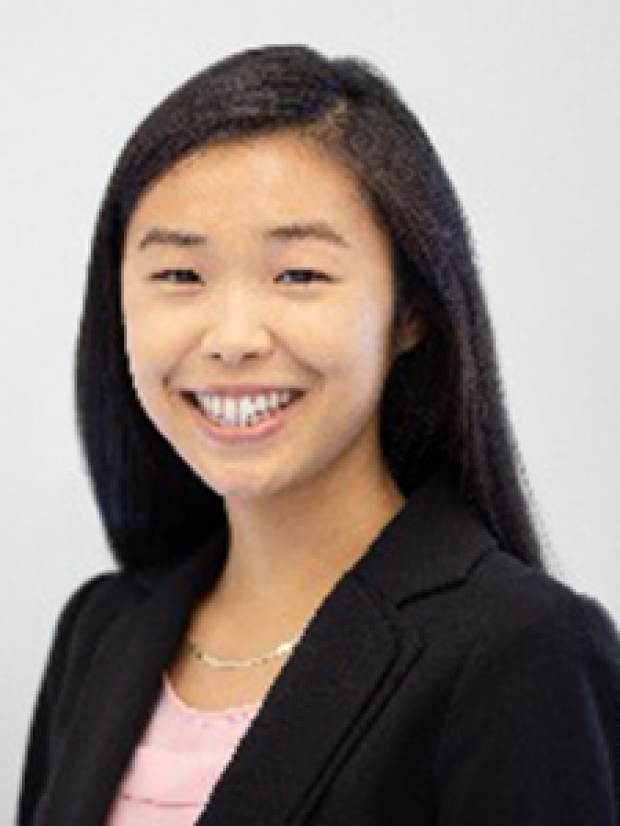
Cindy Zhao, MD, MBA
Born and raised in Ohio, I grew up eating deliciously fresh corn from nearby farmstands and running under the trees of the Cuyahoga Valley National Park. I left the Midwest to attend college at Harvard, where I studied statistics and global health/health policy. I then moved to Philly to begin my clinical training as a medical student at Penn Med. There, I fell in love with the operating room and found my most meaningful time to be in several community clinics. I also took a year out for an MD/MBA, during which I took on a leadership role at a clinic working towards surgical equity, interned with the Clinton Health Access Initiative, and completed an ophthalmology elective at the Alaska Native Medical Center in Anchorage. These days, I’m excited to be starting the next chapter of my training at Stanford. Outside of medicine, I can often be found running, eating large quantities of fruit and bread, and hiking (preferably backpacking if time allows!).
Class of 2027
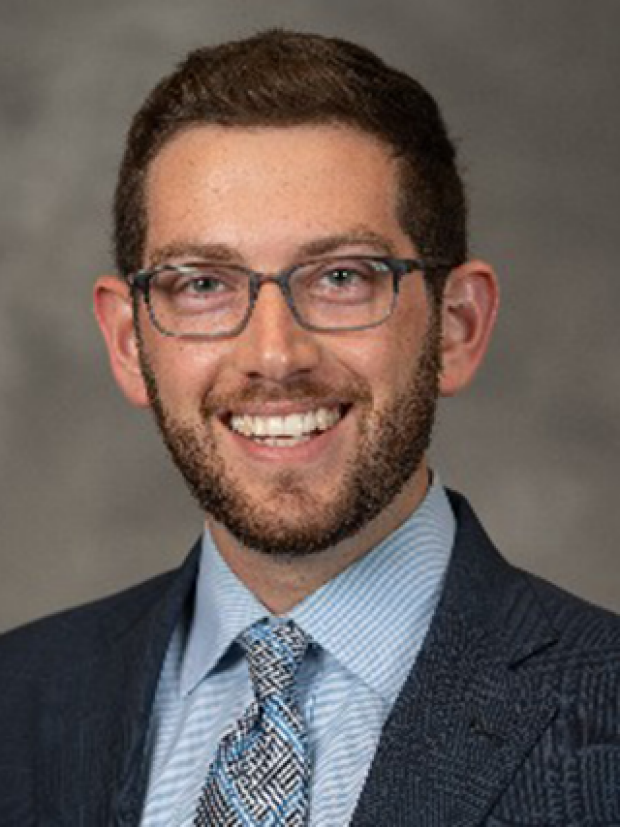
Alec Bernard, MD, MS*
I completed my MD and MS in public health clinical research with an interest in international and entrepreneurial applications at the University of Michigan. Among other initiatives during medical school, I founded a student-led wilderness orientation program for matriculating medical students focused on fostering wellness and community. Aside from a love of backwoods camping, I am also a pilot and world traveler, including Ethiopia, India and Ghana, and am passionate to apply my background in public health and entrepreneurship to develop ophthalmology training programs and tools in resource-scarce areas internationally.
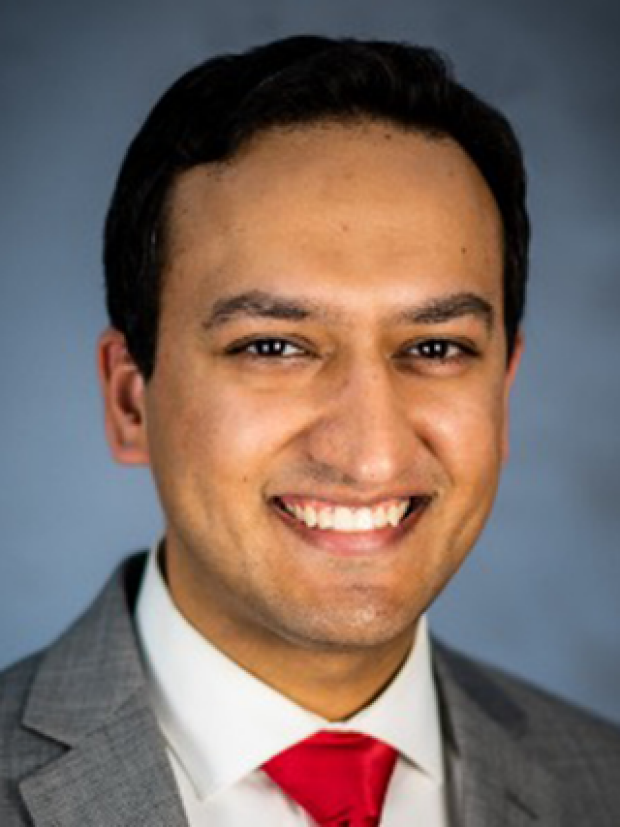
Arnav Moudgil, MD, PhD*
After completing my MD and PhD at Washington University St. Louis, I will be coming back to Stanford where I completed my BS and MS. My research to date has focused on molecular and computational genomics, particularly single cell transcriptomics and the mechanics of gene regulation in individual cell types, and my long-term research goals include expanding the repertoire of cell-based therapeutics, engineering novel cell types uniquely capable of repairing and regenerating diseased tissues.
Alec and Arnav will each complete a research year after internship and join the PGY-2 clinical cohort in July 2024.
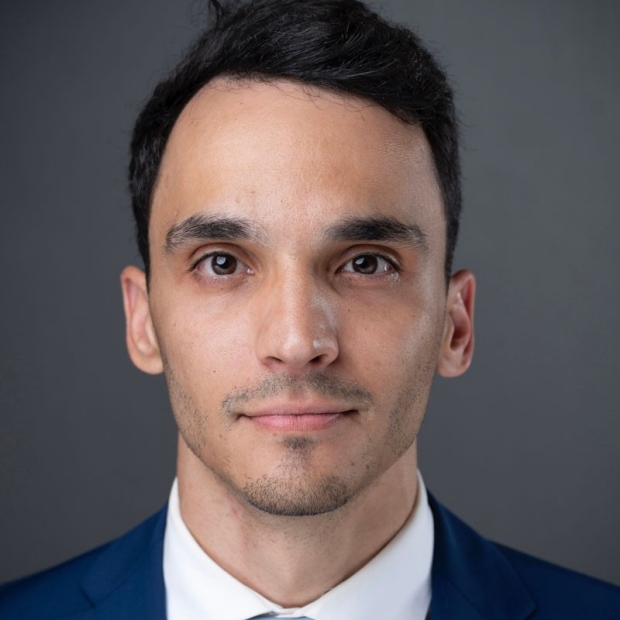
Filippos Vingopoulos, MD, PhD
Born and raised in Athens, Greece, I completed my MD training in Athens Medical School while engaging in model United Nations humanitarian missions. A PhD at Harvard Medical School / Mass. Eye and Ear next to Dr. Miller and Dr. Vavvas in collaboration with the University of Crete was the next step, where I investigated the early diagnosis of Alzheimer’s disease through advanced retinal imaging and ocular fluid biomarkers. While at Mass. Eye and Ear, I also published a series of papers on contrast sensitivity as a new clinical trial endpoint in AMD and DR, leading to its adoption as an endpoint in several AMD and DRCR network ongoing trials. Prior experience on clinical trials next to Dr. John Kanellopoulos came in handy and for my clinical research contributions I was awarded with the ASRS distinguished contributor award, the Bodosakis scholarship, the Karp Fellow award, the Lions grant award, and also earned my permanent residence in the US as an alien of exceptional ability/national interest. While in Boston, I also mentored several medical students co-leading the Harvard underrepresented in medicine program, in an initiative to promote diversity and inclusion in medical education. Stanford and the Bay Area feel like the perfect environment to continue working on clinical research and medical education embraced by the unbelievably enabling and welcoming Stanford family.

Anania Woldetensaye, MD
I am from Addis Ababa, Ethiopia and grew up in Nashville, TN. I attended Rhodes College where I studied Spanish and obtained a BS in biochemistry and molecular biology. In addition to my studies, I was a Bonner scholar which enabled me to engage in community action and gain a deeper understanding of health disparities. These experiences led me to medical school at Wake Forest where I continued advocacy work for underserved and Spanish speaking immigrant communities. I was able to bridge my budding interest in ophthalmology through research in social determinants of health in retinal vein occlusions. I was drawn to Stanford because of the supportive and engaging learning environment, the broad and robust training at multiple clinical sites, and the opportunity to care for patients from a wide array of backgrounds. Additionally, Stanford’s global ophthalmology partnerships provide an early foundation to launch my career towards longitudinal and sustainable engagement to improve ophthalmic care in developing countries.
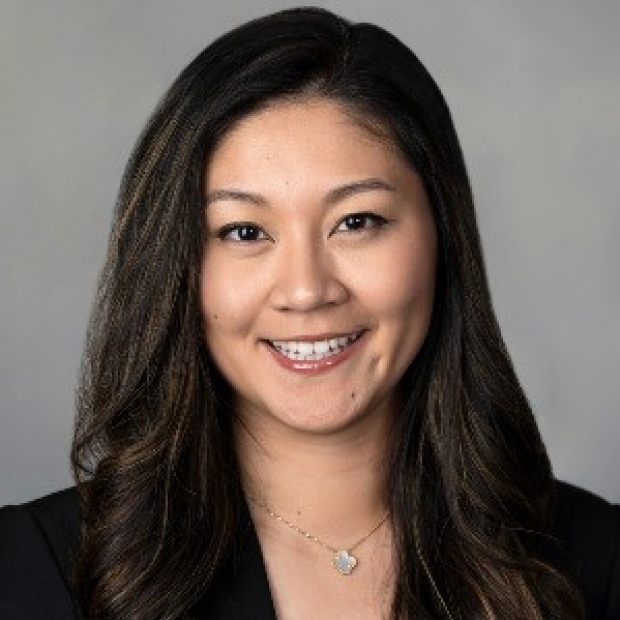
Christine Xu, MD
I was born in Boston, MA, and I grew up in a small, forested town in Connecticut, dabbling in a wide variety of sports. (Jack of all trades but master of none, my current obsession is pickleball.) I also grew up playing classical piano and considered becoming a concert pianist until I realized I enjoyed music more as a hobby than a profession. Attending college at Harvard, I majored in Human Developmental and Regenerative Biology and minored in Music, meshing my two passions for science and music by researching music’s potential to influence neuroplasticity and rehabilitation in patients with traumatic brain injuries. After graduating, I spent two years in Dr. Stephen Tsang’s lab at Columbia, running a clinical trial for Stargardt patients and conducting CRISPR research targeting inherited retinal degenerative conditions. I then attended Stanford for medical school, where I conducted clinical research on retinopathy of prematurity and diabetic retinopathy. I did my capstone research project on the positive social and medical impacts of guide dogs on low vision patients. I love Stanford Ophthalmology because it is a leader in its field, not only with its cutting-edge research and technological innovation, but also its outstanding teaching, collaborative environment, and opportunity for global service. Over the past four years, Stanford has become my home, and I am so excited to stay here for my next phase of training (and hopefully beyond)!
Class of 2028
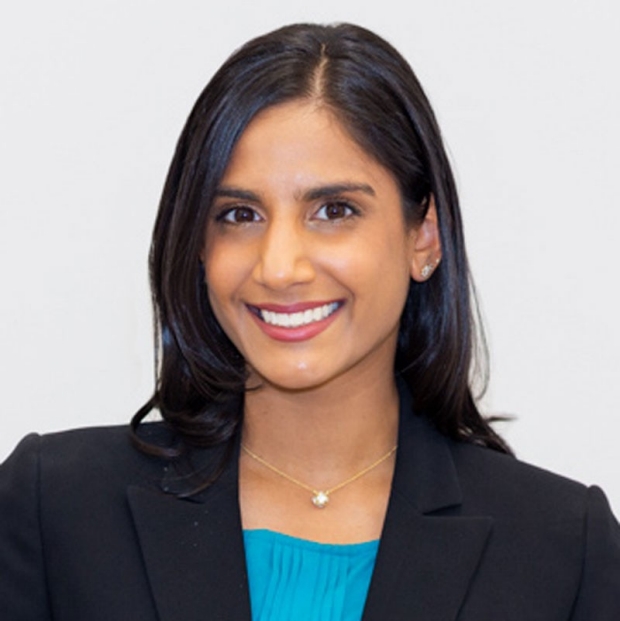
Adeeti Aggarwal, MD, PhD*
I spent parts of my childhood in New York, New Delhi India, and the Bay Area. I went to college at the University of California, Berkeley (Go Bears!) and completed my MDPhD at the University of Pennsylvania, Perelman School of Medicine. My PhD was in Neuroscience and focused on how visual information is coordinated across multiple cortical areas in the mouse brain and how different states of consciousness distort visual processing. Inspired by my lab work in the visual sciences, I became drawn to ophthalmology as my future career as it has the perfect mix of complex physiology, intricate microsurgery, innovative research, and compassionate patient care. I am excited to start my journey with Stanford and SOAR as it offers the perfect blend of dedicated research time and clinical training, which will help me to grow into a scientific investigator leading a lab focused on dissecting and building neural circuitry necessary for visual perception. Moreover, I am excited to learn from my inspiring, accomplished, and personable mentors and colleagues.
Group Photos
Class of 2024 Residents
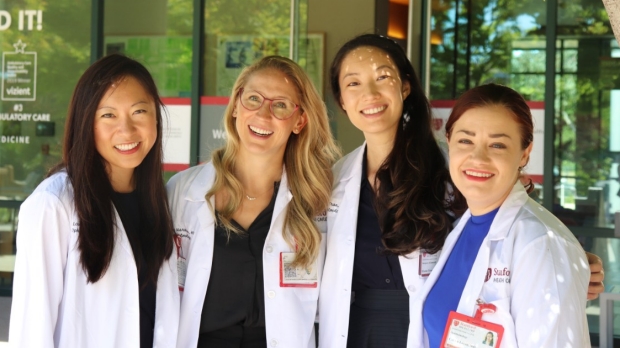
L to R: Louisa Lu, Andrea Naranjo Lozano, Elaine Tran, and Caity Logan
Class of 2025 Residents
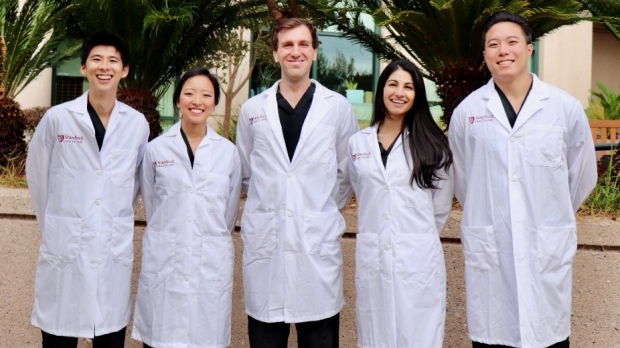
L to R: Sean Wang, Gina Yu, Arthur Brant, Aneesha Ahluwalia and Brian Soetikno