





MCHRI News & Updates
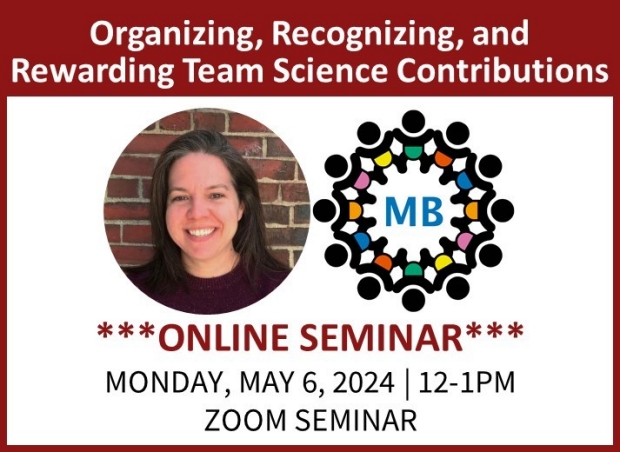
Monday, May 6, 2024, 12pm-1:00pm
Online Seminar
Organizing, Recognizing, and Rewarding Team Science Contributions
Team science – collaborations across multiple labs, institutions, and/or disciplines – challenges established procedures for project management and organization. This seminar will discuss methods for transparent communication, expectation-setting, and contribution reporting that can help keep team science projects running smoothly.
Speaker:
Heidi Baumgartner, PhD, is a Research Scholar at Stanford University, the co-director of the Stanford Big Team Science Lab, and the Executive Director of ManyBabies, an international collaborative network in developmental psychology research. Heidi completed a PhD in Developmental Psychology at the University of California, Davis, and spent three years as a postdoctoral research associate at Brown University. She is passionate about transparency and openness in big team science.
Stanford Medicine News
-

Brain organoids and assembloids are new models for elucidating, treating neurodevelopmental disorders
Stanford Medicine research on Timothy syndrome — which predisposes newborns to autism and epilepsy — may extend well beyond the rare genetic disorder to schizophrenia and other conditions.
-

Chuck Chan, stem cell researcher who discovered how to regrow cartilage, dies at 48
The Stanford Medicine researcher was known for his groundbreaking work and his generous spirit as a mentor and colleague.
-

Stanford Medicine-led study identifies novel target for epilepsy treatment
Researchers find that a little-understood part of the brain appears to be involved in starting seizures and keeping them going.
FUNDED PARTNERS






FUNDING OPPORTUNITIES
CRSO Updates

FY23 Annual Report