

Our Mission Statement
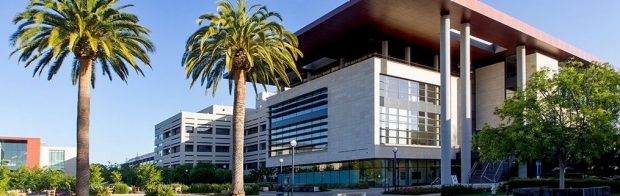
To educate and inspire a diverse group of leaders in medicine and science who will improve human health through discovery, innovation, scholarship, education, and the delivery of outstanding patient-centered care.
For Prospective Students
Only at Stanford
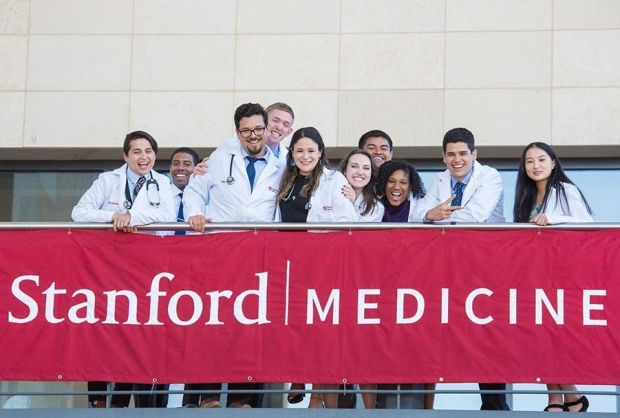
Stanford School of Medicine offers a one-of-a-kind environment for the education and training of leaders in medicine. Our unique offerings include:
- A flexible MD curriculum with multiple learning pathways
- A diversity of clinical and leadership opportunities within and outside of Stanford
- A wide range of dual degree opportunities at the medical school and schools across Stanford University
- Subsidized dual degree programs for students who also want to complete a PhD degree at Stanford
- A strong sense of community with an intimate cohort size of 90-100 students
- A co-location with other schools at Stanford University and a beautiful campus embedded in Silicon Valley, the country's innovation center
MD Admissions
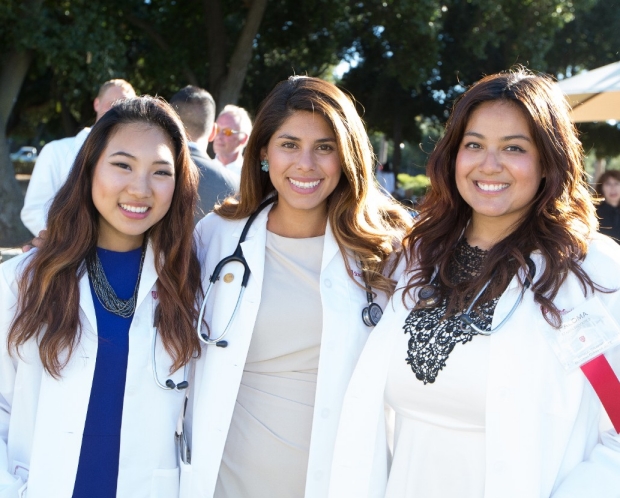
The School of Medicine recruits students who are passionate about their interests and who bring enthusiasm and creativity to their work. To learn more, visit MD Admissions
Physician-Scientist Training Program
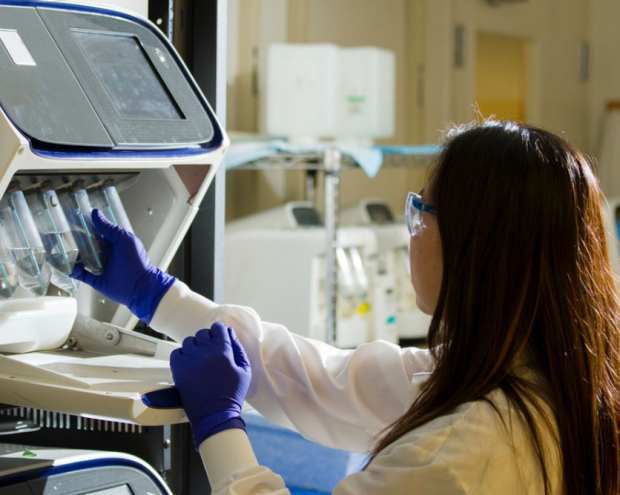
The Stanford Medicine Physician-Scientist Training Program (PSTP) enable students to pursue their interests in laboratory or biomedical informatics research as an integral part of their Stanford experience. To learn more, visit PSTP
Medical Scientist Training Program

The Stanford Medical Scientist Training Program (MSTP) provides a rich environment and unparalleled opportunities for students to pursue a career in academic investigative medicine. To learn more, visit MSTP
Scholarly Concentrations

Scholarly Concentrations are a required part of the Medical Student Curriculum, providing students with opportunities to pursue in-depth learning and scholarship in areas of interest. To learn more, visit SC