.jpg)

Welcome to the Division of Nephrology
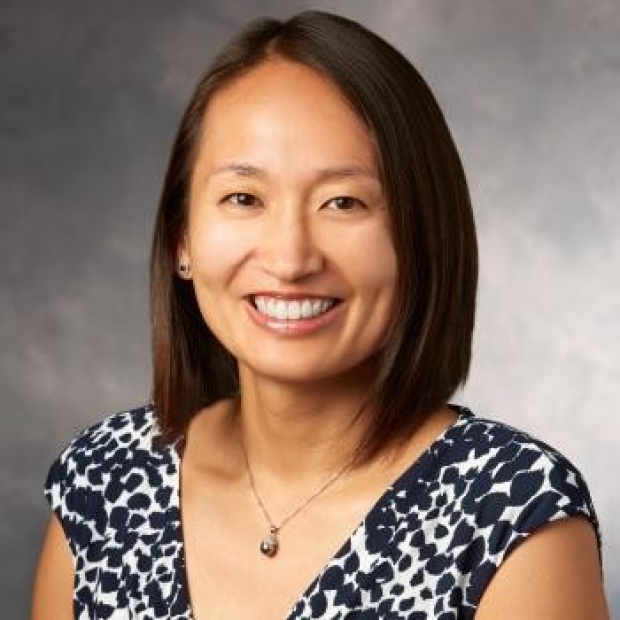
Welcome and thank you for your interest in the Stanford University Division of Nephrology. Our division is made up of an outstanding group of faculty, fellows, advanced practice practitioners, and academic staff. Together, we are committed to delivering world-class patient care to improve the lives of patients with kidney disease, hypertension and related health conditions. We are engaged in cutting-edge basic, translational and clinical research, with collaborations ranging from Silicon Valley startups to public health teams in Sri Lanka. We are devoted to training the next generation of nephrologists in a supportive environment that cultivates their individual passions. We are dedicated to creating and maintaining a diverse and inclusive community. We are Stanford Nephrology.
Please take a moment to explore our website to learn more. If you have additional questions, please do not hesitate to contact us.
-- Tara Chang, MD MS, Division of Nephrology Chief
Celebrating 50 Years of Stanford Nephrology

The Division of Nephrology is celebrating 50 years! Learn more about the history of our division in our Medicine Grand Rounds lecture presented by Dr. Rex Jamison, Division Co-Founder; Dr. Glenn Chertow, Immediate Past Chief; and Dr. Tara Chang, current Division Chief.
Our Fellowship
Featured News
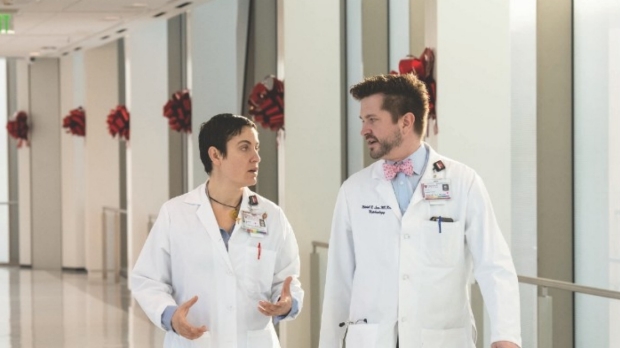
Taking PRIDE in Their Work
Mounting evidence indicates that sexual and gender minority (SGM) populations have less access to health care and higher burdens of certain diseases, such as depression, cancer, and HIV/AIDS. But the extent and causes of health disparities are not fully understood, and research on how to close these gaps is lacking.
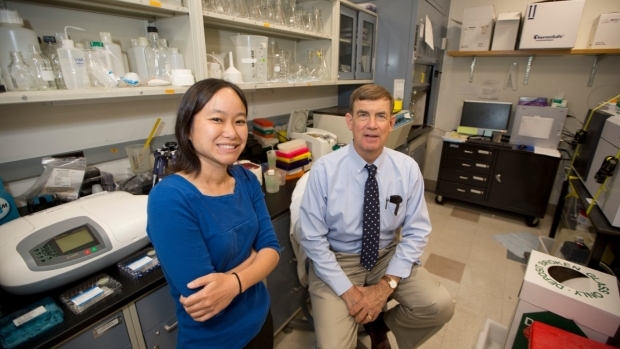
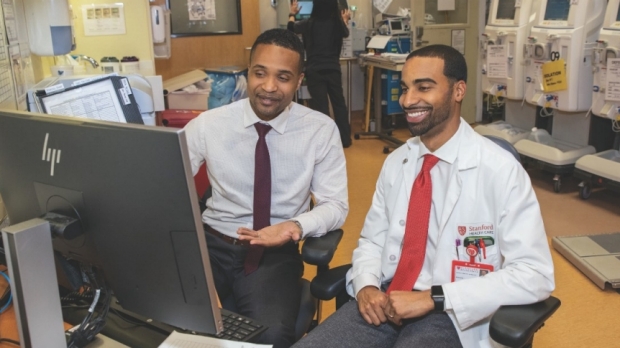

Lowering costs for excellent kidney care
The secret to spending less and improving care, at least for patients with kidney disease, seems almost too easy: Plan ahead.
"It requires that busy clinicians press the pause button on the day-to-day demands of patient care, step back and ask, 'How are we going to make this better?'" said Stanford nephrologist Brian Brady, MD.
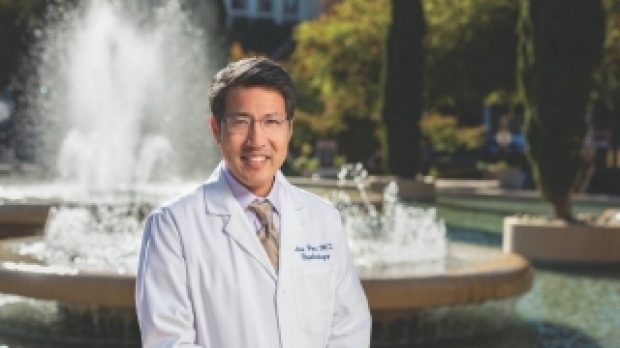
Division Highlights
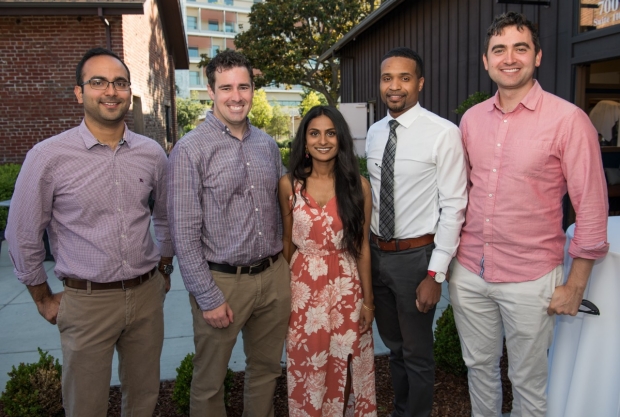
Nephrology Fellowhip Graduation, 2019
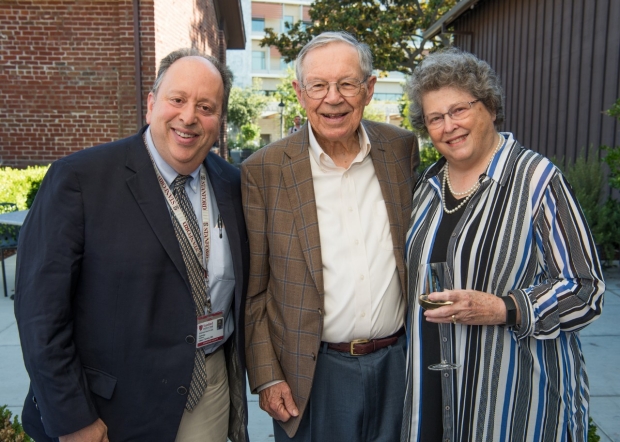
Nephrology Fellowhip Graduation, 2019
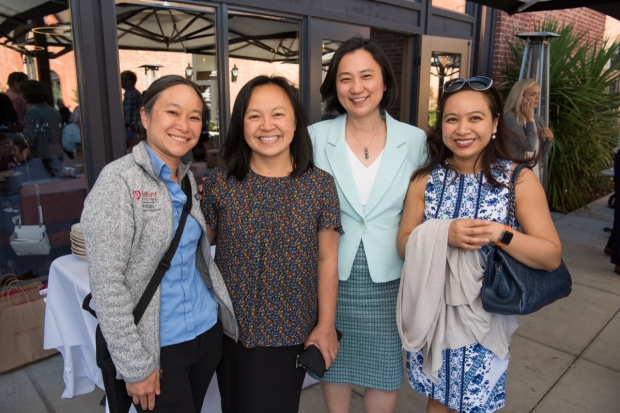
Nephrology Fellowhip Graduation, 2019
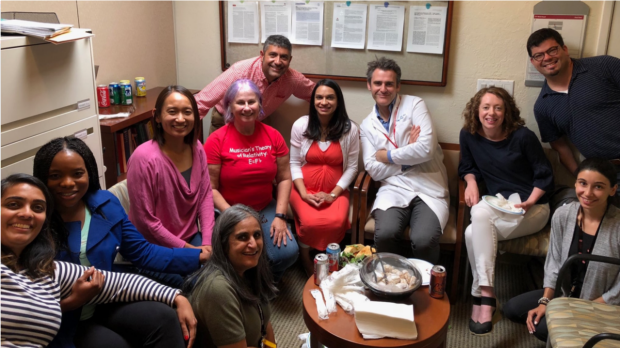
Fellows, faculty, and staff social
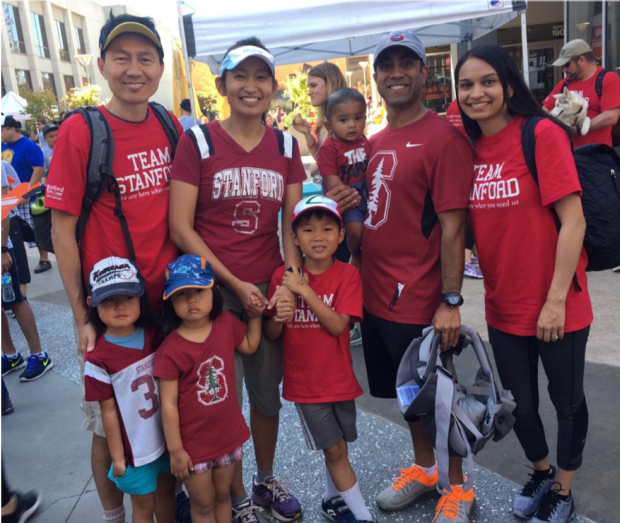
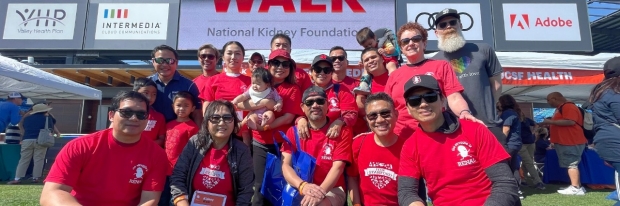
Faculty families at Kidney Walk
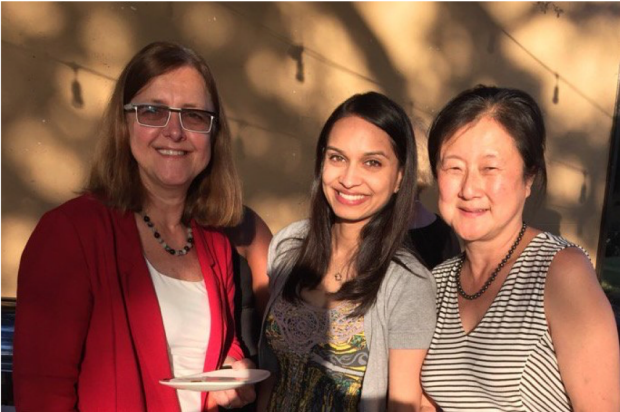
Faculty at recruitment reception
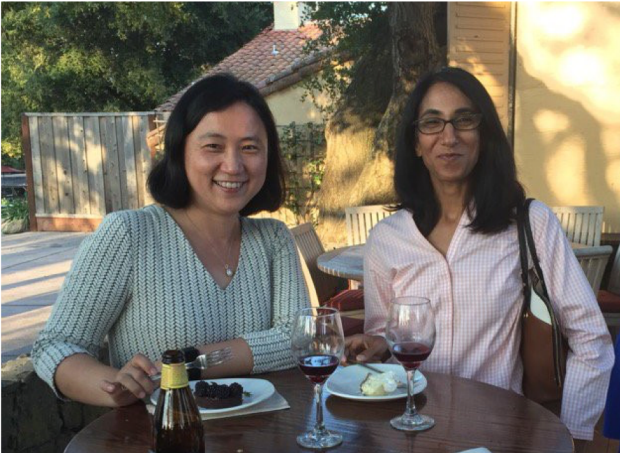
Faculty at recruitment reception
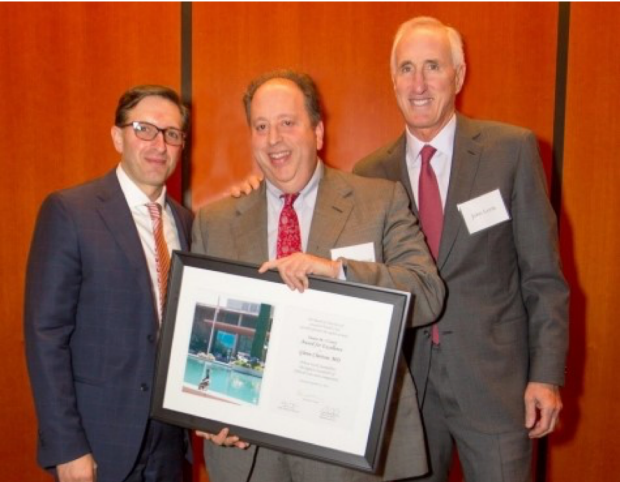
Division Chief and Hospital Leadership
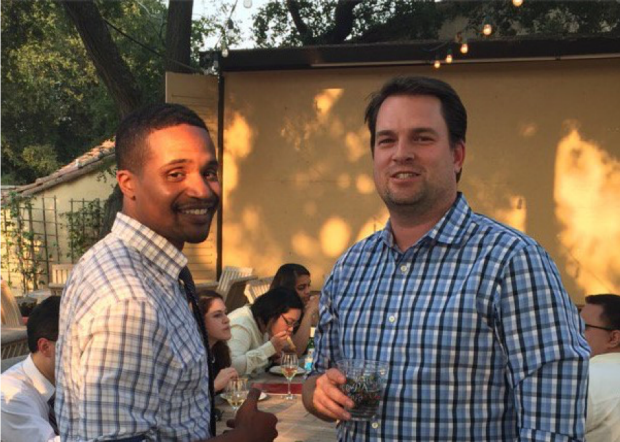
Fellows and faculty at recruitment reception
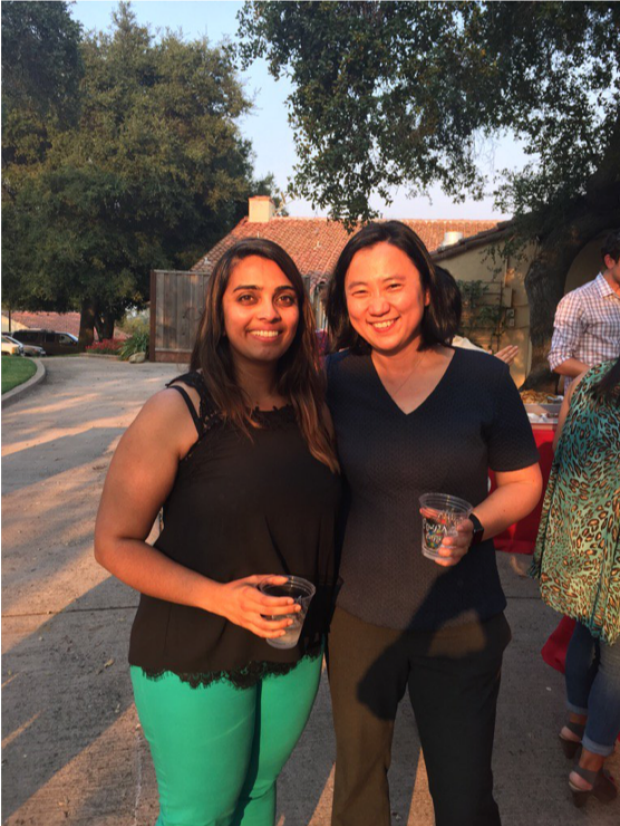
Fellows and faculty at recruitment reception
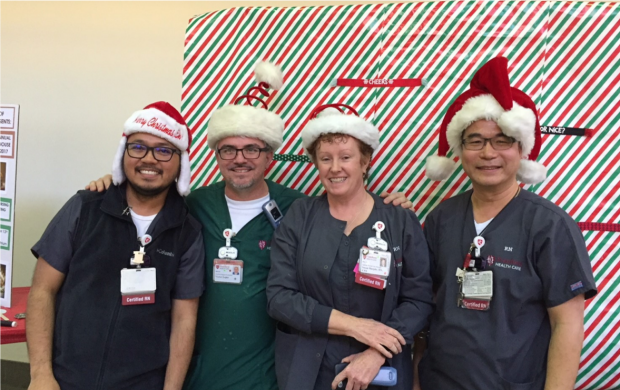
Dialysis nursing staff
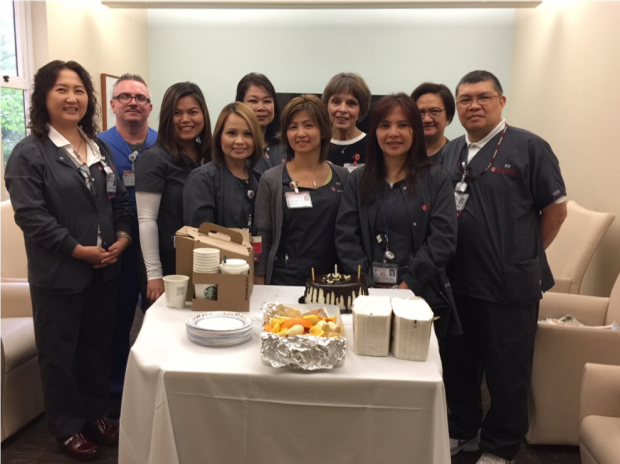
Dialysis nursing staff
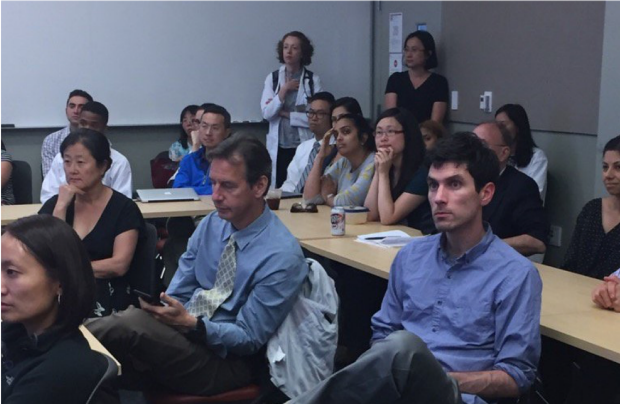
Renal Conference
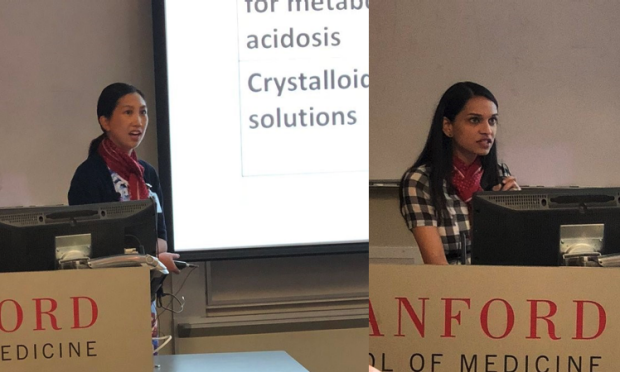
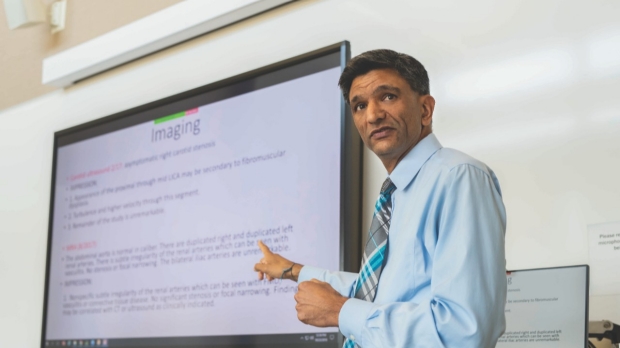
Faculty presenting at Medical Grand Rounds
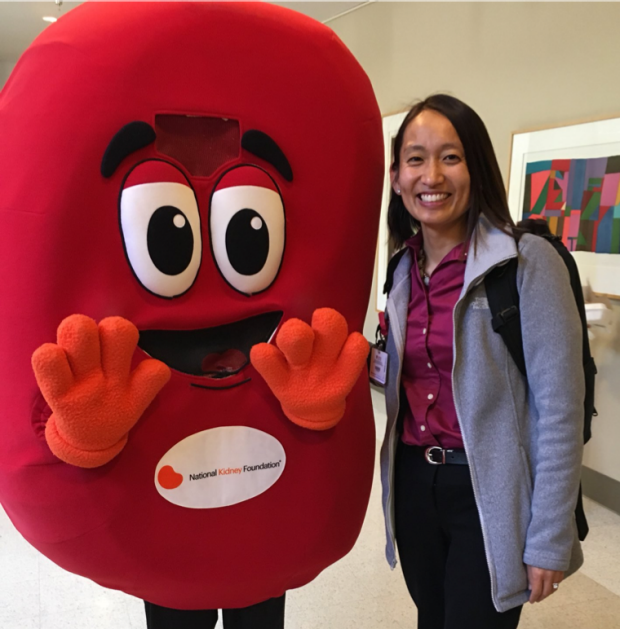
Kidney Day
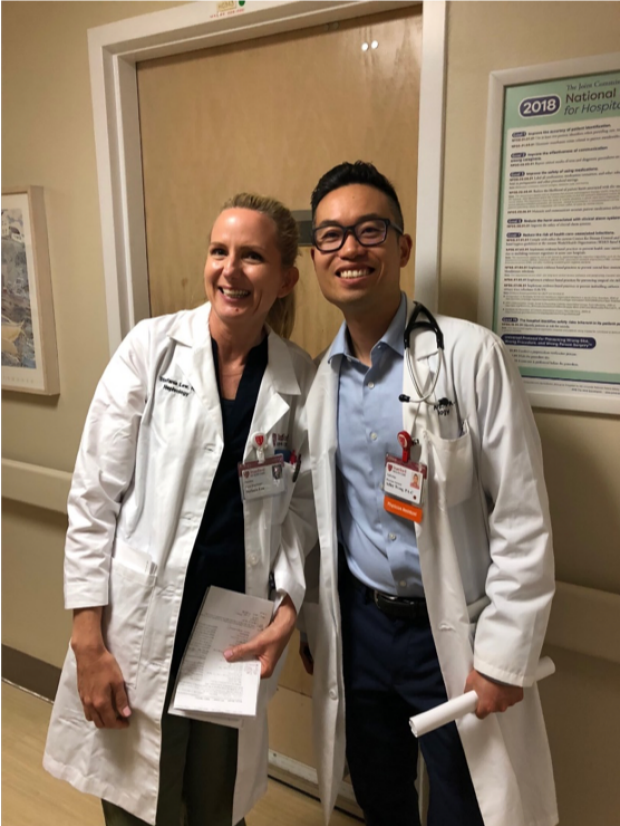
Nephrology APPs on the wards
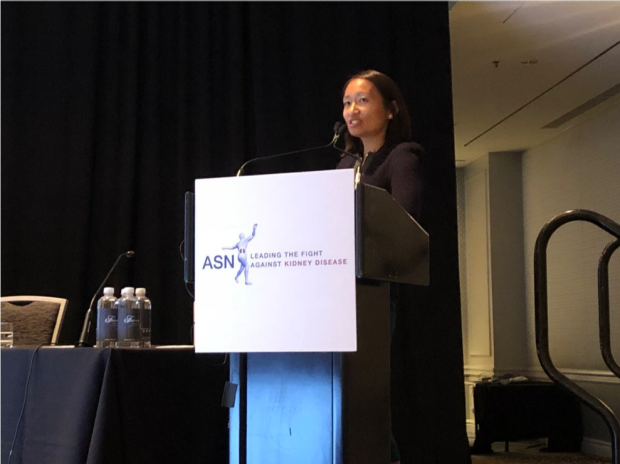
Faculty presentation at ASN
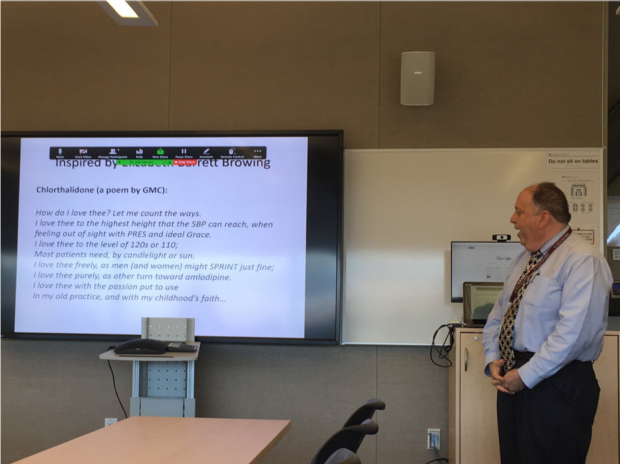
Renal conference

Faculty presentation
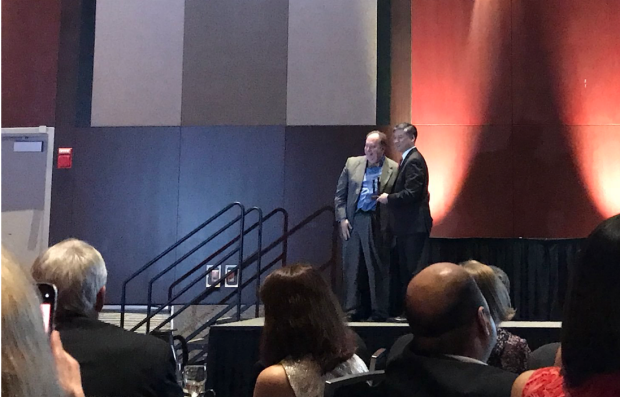

Holiday Party at Dr. Scandling’s

NephMadness Champs 2015
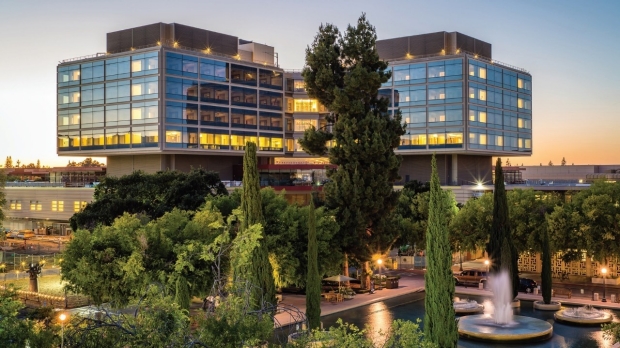
The New Stanford Hospital
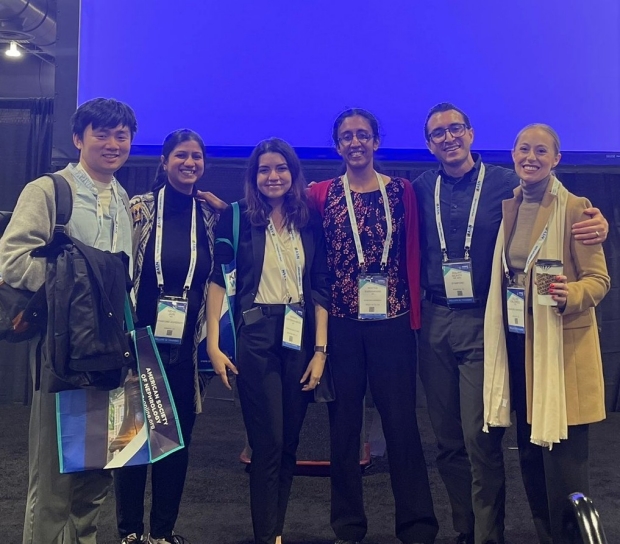
Nephrology Fellowship
The Nephrology fellowship program incorporates diverse opportunities for extensive clinical and research training.