Welcome to the Parent Corner
Parenting can feel ridiculously difficult, and can take a toll on your mental and physical health. It can be one of the hardest and most stressful occupations.
Below you will find a number of resources available depending on what you're looking for! If you see that we are missing something, please feel free to reach out to us by going to the "Contact Us" page on the left, and we will try our best to accomodate.
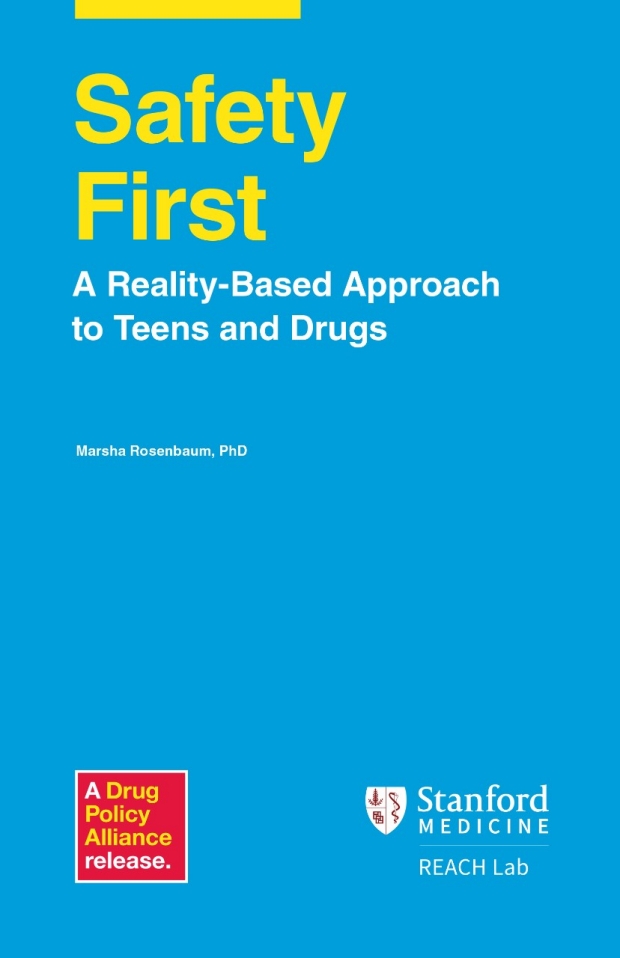
Click below to view infographics on the following subjects:
Find Naloxone Near You:
Resources for:
Articles and PDF's
Tips and Education
Becoming a Trusted Adult: Foundations for More Effective Drug Education (10 lesson course)
Developed by the Stanford REACH Lab and the Stanford Center for Health Education (SCHE), this course teaches practical, evidence-based skills for communicating with adolescents about substance use. Outdated approaches like “just-say-no” or scare tactics simply don’t work. Instead, it’s important to build a trusting relationship and engage in nonjudgmental, two-way conversations to guide them toward making healthy choices for themselves.
WHO IS THIS FOR?
The course is designed for any adults who work with or care for young people around the age of 11-19. This may include school counselors, educators, coaches, school staff, parents, caregivers, and family members who want to have effective conversations with teens about preventing and reducing substance use.
LEARNING OBJEECTIVES
After viewing this course, you will be able to
- Describe why young people might use substances and the risks involved
- Recognize common warning signs of substance use in young people 3. Use motivational interviewing and harm reduction to counsel young people about drug use
- Personalize messages based on the stages of change model, their interests and type of drug being used
- Initiate nonjudgmental, two-way conversations about substance use
- Support a young person with quitting or cutting down substance use.
VIDEO 1
Why Trusted Adults Matter in Effective Drug Education
Young people don’t need lectures—they need trusted adults. This kickoff to "Becoming a Trusted Adult: Foundations for Effective Drug Education" shows why two-way, nonjudgmental, evidence-based conversations work better than scare tactics and “just say no.” You’ll get a clear overview of the course, learn the mindset shifts that build authentic, trusting relationships, clarify what we mean by “drug,” and see how a harm-reduction approach discourages use while helping young people stay safer. Leave ready to start open, honest conversations that protect the amazing adolescent mind.
VIDEO 2
Understanding Adolescent Substance Use: Who Might Be Using and Why?
This video explores who might be using substances and the common reasons young people try, continue, or escalate use—so you can respond effectively with empathy and science-backed information and support. We cover curiosity, coping with stress or trauma, peer dynamics, access, and social norms. Understanding nuances like how much they are using on the continuum of use as well as the “why” behind use helps you tailor conversations and support.
VIDEO 3
Understanding Risks: Substance Use and the Adolescent Brain
This video explains why adolescence is a high-risk period for substance use, not only increasing risk for future addiction but also causing harms in other areas of life. These include physical, health related harms, academic harms, social-emotional harms and legal harms. By understanding these risks, you can provide clear, science-based guidance and encourage a young person to identify the real and perceived risks that matter to them.
VIDEO 4
Spotting the Signs: Recognizing Adolescent Substance Use
Knowing the immediate and long-term signs of substance use can help you provide prompt and tailored support to a young person who may be using. This video will provide an overview of what to look out for, while taking care not to jump to conclusions. Equip yourself with up to date information about the various substances in circulation and learn when to engage a young person to understand and assist them in making healthy choices.
VIDEO 5
Know vs. No: How to Talk with Youth About Substance Use
This video explores why honest, science-based information (“know”) outperforms scare tactics or harsh punishments (“no”) when it comes to adolescent substance use prevention and intervention. You’ll learn how to create two-way, nonjudgmental conversations using a proven approach called motivational interviewing, which is grounded in acceptance, compassion, partnership and empowerment. You’ll get practical phrasing, common pitfalls to avoid, and strategies that build trust and reduce harm.
VIDEO 6
Talking to Youth: Personalizing Your Message About Substance Use
This video teaches you how to tailor your conversation based on the type of drug, where a young person is on the continuum of use, and their readiness to change. You’ll learn the stages of change and how to align messaging with what the teen cares about for better engagement through the use of motivational interviewing techniques like open-ended questions, affirmation, reflective listening, and summarizing.
VIDEO 7
Watch Motivational Interviewing in Action: Role Play
Watch a realistic demonstration of motivational interviewing (MI) with an adolescent, showcasing OARS skills (open-ended questions, affirmation, reflective listening, summarizing), eliciting change talk, and responding to resistance. See how small shifts in language foster trust and help teens explore their own reasons for change.
VIDEO 8
How to Start Conversations About Substance Use
This video provides practical guidance for starting a respectful, non-judgmental conversation about substance use in various situations including suspected use, found using and prevention talks. We’ll cover timing, setting, confidentiality and opening lines to help a young person feel safe enough to talk.
VIDEO 9
Ready to Quit: Supporting Youth with Reducing Substance Use
This video shows how to support a young person who wants to cut down or quit—setting goals, planning for triggers, navigating withdrawal, and arranging support and follow-up. Learn how to balance harm reduction with cessation goals and connect students to resources.
VIDEO 10
Key Takeaways to Support Youth Substance Use Prevention and Intervention
This brief wrap-up highlights the core lessons of the course—build trust, foster two-way communication, and approach every conversation with compassion and understanding—so you feel ready to put new skills into practice. You’ll leave with encouragement and clear next steps.
Special thanks to the San Mateo County Office of Education for their collaboration on the course above.
Other Videos
Mind Over Marijuana - FOX40 - Dr. Bonnie Halpern-Felsher
"Identify which products teens are vaping" (Tobacco Free CA)
JUULERS AGAINST JUUL
Tobacco, Vaping and Marijuana: A Parent's Guide to a New Epidemic
Understanding and Preventing Youth Tobacco Use
Teen Misconceptions About E-Cigs, Nicotine & Flavored Vapes
SAFETY FIRST AND MENTAL HEALTH: Empowering Teens to Prevent and Reduce Drug Use
This video is the property of The Parent Venture and may not be copied or reproduced without their permission.