


SICHL team members modify ototoxic antibiotics to prevent hearing loss.
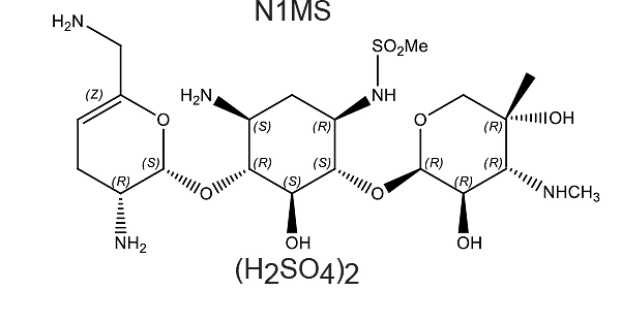
Modified antibiotic
Modified drugs can still kill bacteria but are unable to enter through channels in the hair cells.
control
(no drug)
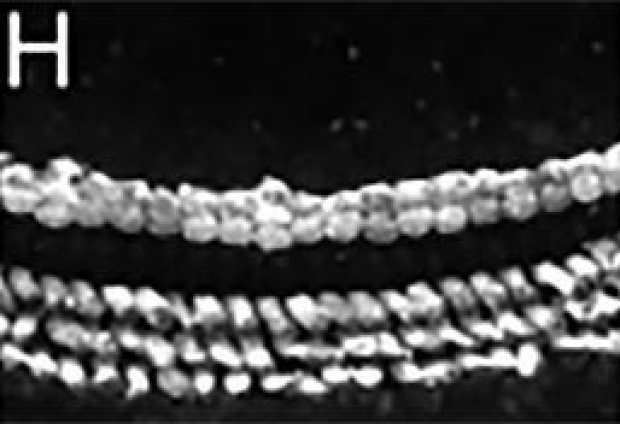
+ toxic
antibiotic
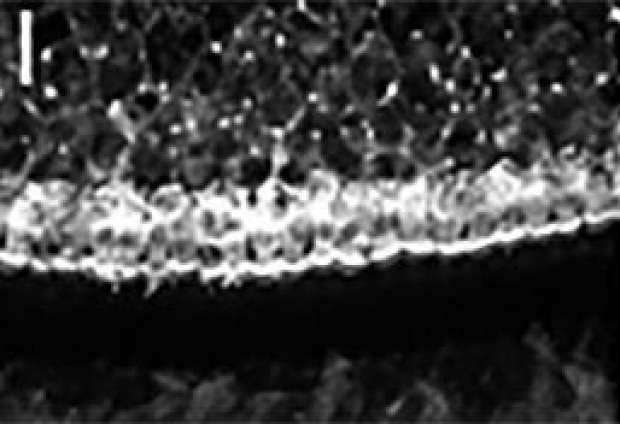
+ new modified
version
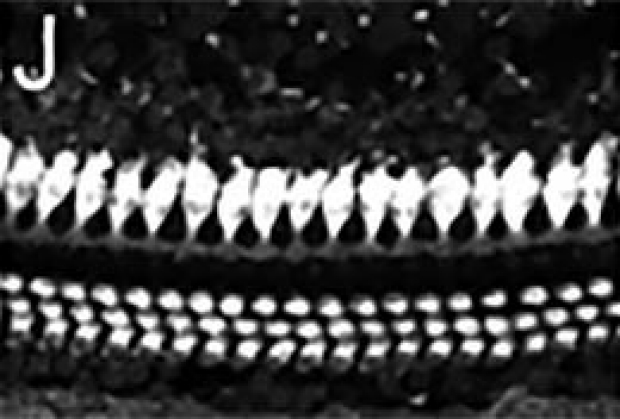
Cochlear hair cells
A Global Problem
Hearing Loss Is on the Rise
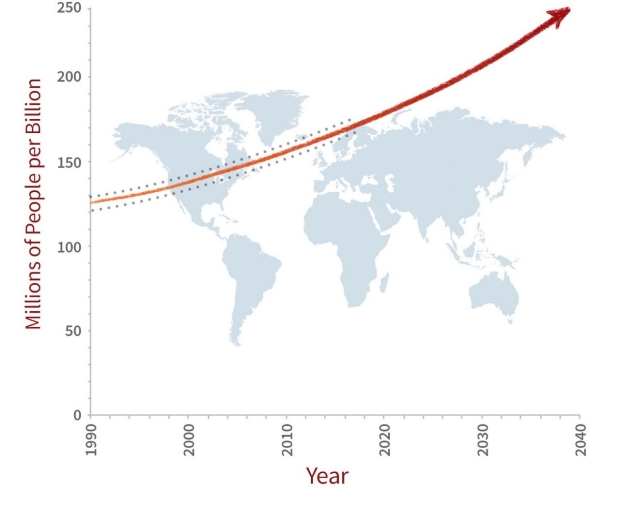
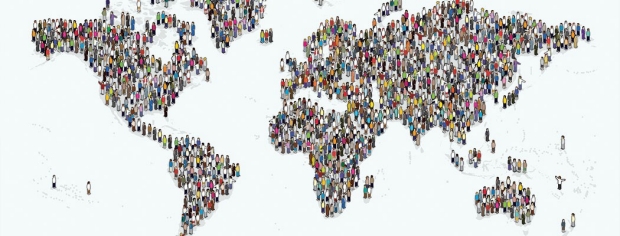
The number of people with more than 20 dB of hearing loss is very large and growing rapidly. Data from 1990 to 2017 were fit by a quadratic function (R2 = 1) that was used to predict hearing loss prevalence from 2018 to 2040. Dashed lines indicate 95% confidence intervals. Global Burden of Disease Study 2017 (GBD 2017) Results. Seattle, United States: Institute for Health Metrics and Evaluation, 2018. http://ghdx.healthdata.org/gbd-results-tool.
Hearing Loss is Everywhere
- It is a massive health issue. 466 million people have disabling (>40 dB) hearing loss globally1
- It affects adults. 1 of 3 US adults between 65 and 74 have hearing loss2
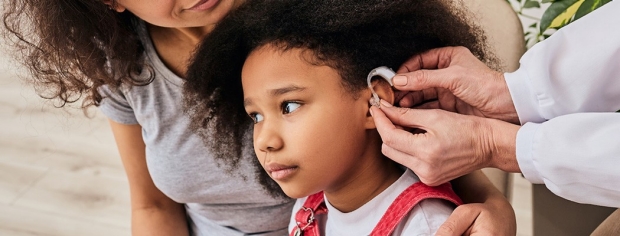
- It affects children. 2 to 3 out of every 1,000 children in the United States are born with hearing loss3
- It is a massive economic issue. Hearing loss costs the world US$750 billion annually4
- It has severe social and mental health implications. Hearing loss leads to social isolation, anxiety, and depression5,6,7
- It is only getting worse. The prevalence of hearing loss is increasing with an aging population8…
Our Mission
The Stanford Initiative to Cure Hearing Loss (SICHL) identifies the fundamental mechanisms by which the inner ear functions and uses this information to develop novel approaches toward preventing damage, repairing and one day replacing damaged inner ear tissue.
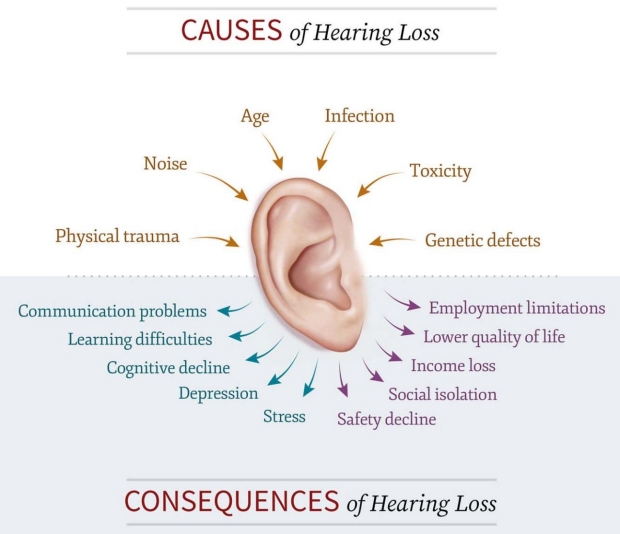
Causes and Consequences to Hearing Loss
Hearing loss is caused by a variety of chronic and acute traumas, as well as congenital pathologies and medication toxicity. Hearing loss is a question of when, not if.
The Quest to Cure Hearing Loss
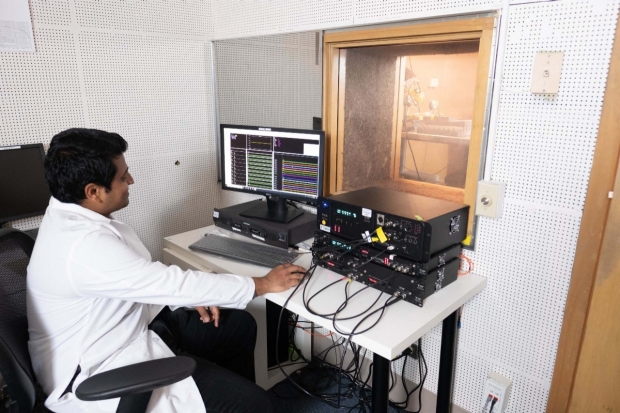
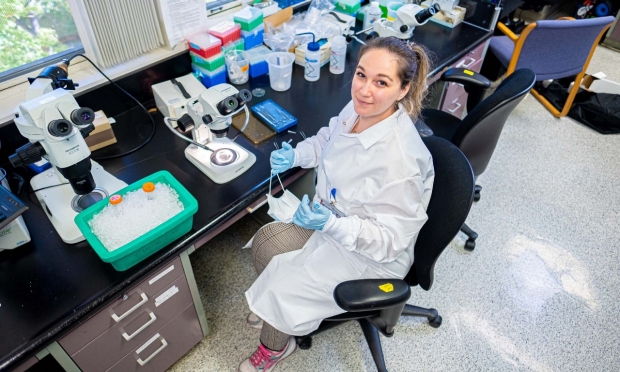
SICHL is tackling hearing loss in many different ways. Faculty members with a broad range of expertise work independently and collaboratively to uncover the details of how the inner ear develops, functions, and responds to damaging stimuli. SICHL provides access to state of the art equipment for investigative teams to use in their mission. SICHL provides resources to aid in the training of the next generation of inner ear scientists who build strong collaborations working on team projects that will enable them to be the research leaders of the future.

28+
The number of peer-reviewed scientific journal articles published with the help of SICHL funding.
And the number is always growing!

Your Help, Your Impact

Katharine Miller
Funds from SICHL helped us to purchase state of the art equipment that puts us at the cutting edge of tissue preservation for high resolution imaging. This will allow us to gain a better understand of the structural changes that occur in the inner ear under different causes of hearing loss – one of the main focuses of my research.

Pei Wang
My research is high risk, and in a small field, it’s not easy to get funded by normal funding/grants. I am so lucky, SICHL funds my project, which allows me to generate a series of genetic mouse models for exploring the function of a very large, and poorly understood deafness gene.