

About
The Shinozaki Laboratory studies the molecular influence of environmental factors such as trauma, stress, and inflammation on individual susceptibility to psychiatric conditions including major depressive disorder (MDD), post-traumatic stress disorder (PTSD), and delirium using epigenetic/genetic approaches as well as a medical engineering approach through device development and machine learning.
The main focus of the Shinozaki Lab has been to examine epigenetic changes resulting from exposure to stress such as trauma or inflammation to aid in the search of biomarkers of stress exposure and risk for MDD, PTSD, and delirium. Dr. Shinozaki, in collaboration with many colleagues across different fields, successfully developed several ongoing projects in epigenetics/genetics- one in collaboration with neurosurgeons to study DNAm correlation between brain tissue and peripheral tissues, which is supported by NIH R01 funding.
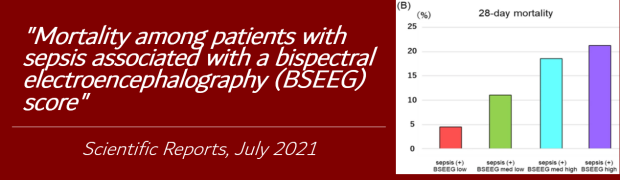
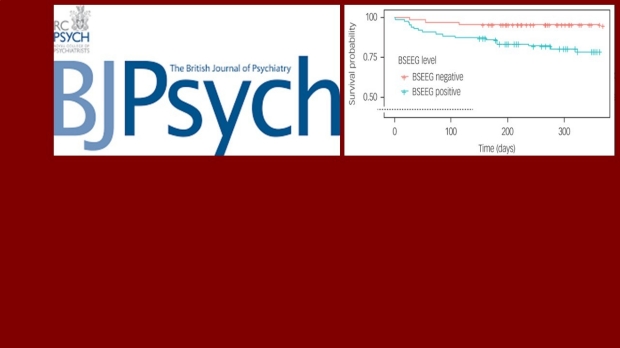
From the angle of neuroinflammation, we are investigating the role of epigenetics in inflammatory processes in delirium and aging. In addition to epigenetics investigation, we are developing a novel electroencephalography (EEG) device to screen delirium among elderly patients in the hospital.
Recent Updates
March 27, 2021
Two new undergraduate students have joined the lab! Welcome Noah Yuki Islam and Celestine J. Wenardy!
March 18, 2021
Nadiah matched to the Psychiatry Residency Program at Oregon Health Science University! Nadiah is the 6th member from the lab joining psychiatry residency!
Congratulations Nadiah on this new step of your career and welcome to psychiatry!
March, 2021
Our former undergraduate student, Kaitlyn Crutchley, won the summer research fellowship program called The Medical Student Anesthesia Research Fellowship (MSARF) Summer Program! She will be working with Dr. Kendall Smith at Washington University, Anesthesiology Department!
Congratulations, Kaitlyn!
March, 2021
Our former undergraduate student, Johnny Malicoat, got accepted by the Carver College of Medicine! He was also awarded with the Dean's Scholarship! Johnny is the seventh member from the lab attending medical school!
Congratulations Johnny on this new step of your career!
March 22, 2021
Our undergraduate student, Pedro Marra, received the Excellence in Undergraduate Research Award (EURA) by the Iowa Center of Research for Undergraduates (ICRU)!
Congratulations, Pedro!