Home  /  Patient Care  /  Stanford Addiction Medicine Dual Diagnosis Program  /  Stanford Hospital Addiction Services (SHAS)

Stanford Hospital Addiction Services (SHAS)


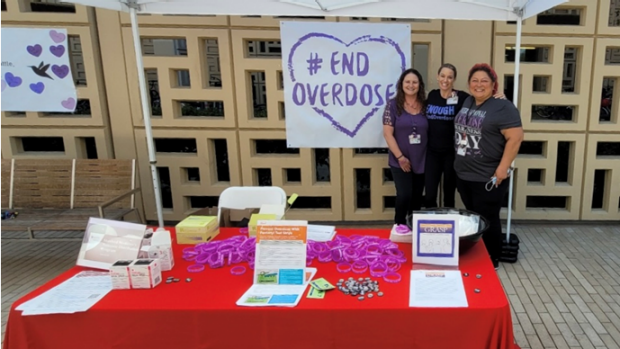
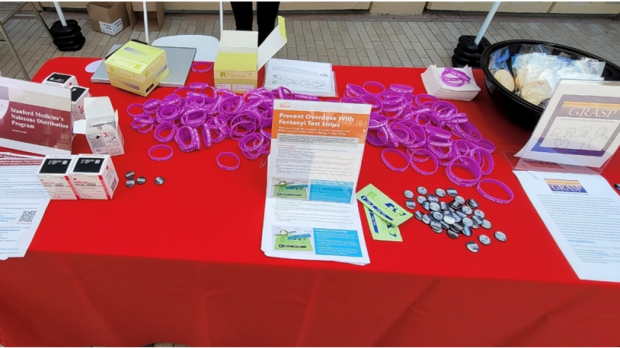
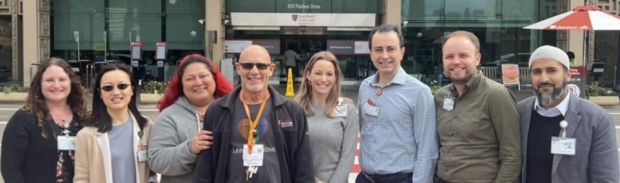
Stanford Hospital Addiction Services (SHAS) cares for hospitalized patients with substance use disorders through counseling, medications, and linkage to treatment on discharge. SHAS is made up of three dedicated Addiction Inpatient Medicine (AIM) services across Stanford Health Care locations: Palo Alto (AIM-PA), Tri-Valley (AIM-TV), and Sequoia (AIM-SQ).

This website and its contents are designed for informational purposes only and should not be substituted for professional care. 
We include these resources for your information, but did not create and do not specifically endorse the content or resources.
Martin Binesh
Clinical Assistant Professor, Psychiatry and Behavioral Sciences
Zenia Cardoza, CADCII, ICADC
Substance Use Navigator

Bio

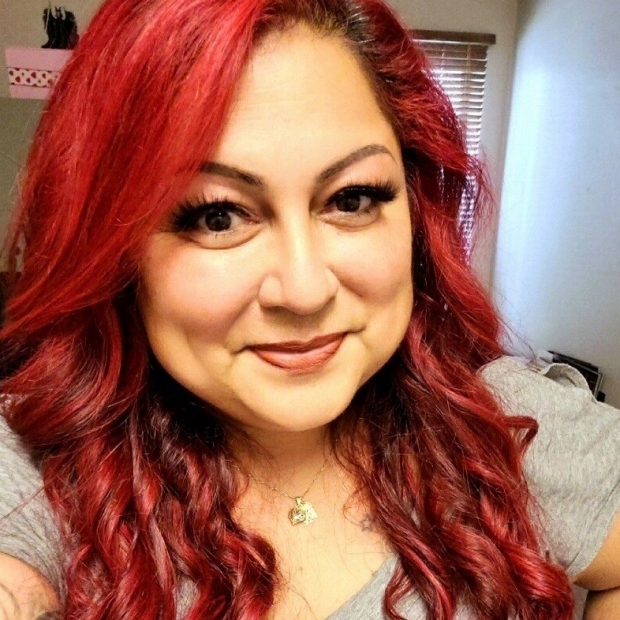
Zenia Cardoza has been working in the addiction treatment field for over 15 years primarily in Santa Clara County after entering recovery, nearly 20 years ago. Zenia works as a Substance Use Navigator (SUN) in the Emergency Department, a role that was started in partnership with the CA Bridge Program. Zenia’s work has paved the way for Stanford’s Emergency Dept to provide low barrier access to Medication Assisted Treatment (MAT), real-time linkage to substance use treatment programs and harm reduction interventions such as take-home naloxone. She provides compassionate and non-judgmental care to all patients and families visiting the emergency department. Zenia is a strong advocate for improving care for individuals living with substance use disorders. She was awarded the CD Role Outpatient Counselor for Professionalism by SJCC ADS Advisory Board in 2018 and the Community Hero Award by Santa Clara County Behavioral Health Board in 2022.

Jak Cooper
Volunteer Peer Support Specialist

Bio

She was born in the United Kingdom and has been living in the US since 2017. In February 2023, she was diagnosed with cirrhosis, then admitted for a Liver Transplant at Stanford Hospital in May 2023. Having experienced the work of the Addiction Medicine team firsthand, she knew that she initially wanted to help make a space for those like her, either pre- or post-transplant, to ask questions without judgement, just as she had with the peer support specialists who supported her on her journey in the hospital. One year post transplant, she joined Stanford’s Peer2Peer program as a Mentor for patients undergoing liver transplants. In Fall 2024, she completed training to gain a Peer Support Specialist certification in the hope of offering volunteer hours to AIM to support others with Substance Use Disorder. She has been sober since her cirrhosis diagnosis and has been active in the sober community since recovering from Transplant.

Huiqiong Deng, MD, PhD
Clinical Associate Professor, Psychiatry and Behavioral Sciences

Bio

Dr. Huiqiong Deng is a clinical associate professor of psychiatry. In addition to a medical degree, she earned a PhD, with a major in rehabilitation science and a minor in neuroscience. Specializing in the treatment of alcohol/substance addiction, interventional and cultural psychiatry, her goal is to help each patient along the journey to achieve optimal health and quality of life. As the co-author of more than a dozen scholarly articles, Dr. Deng’s work has appeared in Psychiatry Research, Journal of Studies on Alcohol and Drugs, American Journal on Addictions, Brain Stimulation, and other publications. Dr. Deng has won numerous honors and awards such as the National Institute on Drug Abuse Young Investigator Travel Award, the Ruth Fox Scholarship from the American Society of Addiction Medicine, and College on the Problems of Drug Dependence Travel Award for Early Career Investigators. In addition, she was selected to attend the Annual American Psychiatry Association Research Colloquium for Junior Investigators. Since she joined faculty at Stanford, Dr. Deng has received research grant support by the Department of Psychiatry and Behavioral Sciences Innovator Grant Program.
Bailee Ann Jacobsen
Clinical Assistant Professor, Psychiatry and Behavioral Sciences
Arleen Lopez, ASW
Social Worker

Bio

Arleen brings a wealth of experience and deep commitment to the field of addiction medicine. Prior to working at Stanford Health Care, Arleen worked at Sacramento Comprehensive Treatment Center, where she held various roles within the methadone program. Arleen is a registered substance use counselor and has made significant contributions to the community through her leadership in presentations and educational events focused on OUD, MAT, and harm reduction.

In addition to her professional expertise, Arleen is dedicated to supporting the Latinx community. She has actively engaged in community presentations and panels that address the unique treatment perspectives and challenges faced by this population. Her master’s research on “Loss and Grief in Opioid Use Disorder” has now influenced her research in a doctoral program that continues her work in substance use. Currently, her doctoral research on “Substance Use Perspectives and Beliefs from Social Workers and Case Managers at Stanford Hospital” will lay the groundwork for targeting education and training efforts for staff.

Alicia Ludlow
Peer Support Specialist

Bio

Alicia Ludlow is a peer support specialist with the Addiction Inpatient Medicine Service at Stanford Health Care. Alicia started as a peer mentor with National Alliance on Mental Illness (NAMI) and began working at Stanford Health Care as a peer support specialist in September 2021. Alicia utilizes her lived experience of mental illness and addiction to support patients on their journey of recovery. While meeting patients in the hospital and supporting them after discharge, Alicia helps patients discover their strengths that lead to long term sobriety. She is active in the recovery community and is a devoted advocate for sobriety and wellness.
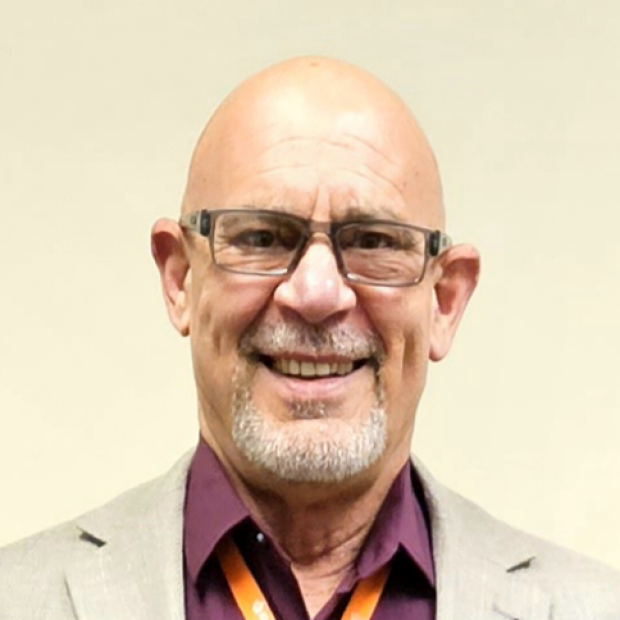
Charlie Porzio
Volunteer Peer Support Specialist

Bio

Charlie Porzio is a volunteer peer support specialist with the Addiction Inpatient Medicine Service at Stanford Health Care. Charlie started as a peer mentor with National Alliance on Mental Illness (NAMI) and began volunteering at Stanford Health Care as a peer support specialist in March 2021. Charlie utilizes his lived experience of mental illness and addiction to support patients on their journey of recovery. While meeting patients in the hospital and supporting them after discharge, Charlie also volunteers, bringing AA meetings in to jails and institutions. He is active in the recovery community and is a devoted advocate for sobriety and wellness. Charlie has been substance free since March 1,1986.

Judith Prochaska
Senior Associate Vice Provost, Clinical Research Governance and Professor of Medicine (Stanford Prevention Research Center)

Bio

Judith (Jodi) Prochaska, PhD, MPH, is a Professor in the Department of Medicine at Stanford University with the Stanford Prevention Research Center and a member of the Stanford Cancer Institute. A licensed clinical psychologist with addiction medicine privileges, Dr. Prochaska completed her clinical psychology doctoral training and a master's degree in public health at the University of California, San Diego and San Diego State University and her undergraduate studies at Duke University.
Amer Raheemullah
Clinical Associate Professor, Psychiatry and Behavioral Sciences

Bio

Dr. Amer Raheemullah, MD, is Associate Clinical Professor of Psychiatry and Behavioral Sciences at Stanford University. He specializes in the treatment of addictive behavior, has published chapters and peer-reviewed articles in this area, and is Director of the Addiction Inpatient Medicine Service at Stanford Hospital.
Steven Tate
Clinical Assistant Professor, Psychiatry and Behavioral Sciences

Bio

Dr. Steven Tate serves as a Clinical Assistant Professor specializing in addiction medicine within the Department of Psychiatry & Behavioral Sciences at Stanford University School of Medicine. He earned his medical degree from the University of Chicago and his master's in medical statistics from the London School of Hygiene and Tropic Medicine. He then completed his internal medicine residency at the University of Pennsylvania and his fellowship in addiction medicine at Stanford. Dr. Tate sees patients in the Stanford Addiction Medicine/Dual Diagnosis Clinic and in the hospital on the Inpatient Addiction Medicine Consult Service. He is interested in teaching evidence-based addiction medicine and translating evidence into practice to improve the care of patients with substance use disorders.