

- Fellowship
- Curriculum
- Research
- Elective Rotations
- Wellness
- Testimonials, Team Pictures, and Alumni
Overview
Our fellowship is designed to train the future leaders in Neuropsychiatry and Behavioral Neurology (BNNP). It is the only UCNS-accredited BNNP Fellowship housed within a psychiatry department west of Mississippi and provides advanced training in multidisciplinary services in the departments of Psychiatry, Neurology, and Neurosurgery. Our fellowship not only provides strong training in the treatment of memory disorders but also in the interface of Psychiatry and Neurology in a wide range of other neurological disorders such as movement disorders, epilepsy, stroke, concussion/TBI, etc.
Our fellows also receive advanced training in a variety of interventional psychiatry methods including TMS, ECT, VNS, and DBS. We work closely with our colleagues in the Neurology department, particularly those in our sister Behavioral Neurology fellowship and in the Movement Disorders fellowship. The availability of several other psychiatry and neurology fellowships, such as forensic psychiatry and headache, epilepsy, and neuroimmunology, has created additional collaborative training opportunities that can be tailored to our trainees’ interests.
Application Process
The positions for 2026-2027 have been filled.
We are currently accepting applications for 2027-2028.
Download the Application (PDF)
Our fellowship is open to both psychiatrists and neurologists, and the schedule will be customized based on the training background and interests.
Please note: Stanford Health Care does not sponsor H-1B Visas; only J-1 Visas can be sponsored for this fellowship. Applicants must be graduates of a psychiatry or neurology residency program in the U.S. or Canada.
Stipends, Bonuses, and Benefits
Contact Us
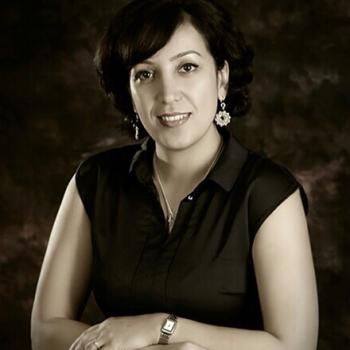
For more information, please contact Romola Breckenridge, Fellowship Coordinator at romola@stanford.edu or Sepideh Bajestan, MD, PhD; Neuropsychiatry Fellowship Director at bajestan@stanford.edu.
Publications


Curriculum
Clinical Rotations
Our one-year curriculum gives the fellows an opportunity to rotate on multiple services:
- Neuropsychiatry Psychopharmacology Outpatient Clinics
- Movement Disorders and Tourette’s Neuropsychiatry Clinics
- Functional Neurological Disorders Program
- Center for Memory Disorders, an NIH designated Alzheimer and LB Dementia Research Center of Excellence
- Neuropsychiatry Consult Liaison
- Multidisciplinary Huntington’s Disease and Ataxia Center of Excellence
- Rotations in Epilepsy Monitoring Unit and several Neurology Clinics such as Memory Disorders, Concussion Clinic, Epilepsy, Stroke,
- Multiple sclerosis, Neuromuscular neurology, Headache, Neuro-AIDS, etc.
Elective Rotations
The curriculum is flexible and provides extra training in specific areas of research or clinical interest:
- Electives for in-depth training in Transcranial Magnetic Stimulation (TMS) and Electroconvulsive Therapy (ECT)
- Specialized Psychiatry Clinics: ADHD, Autism, Geriatric Clinic, Forensic Clinic, and Ketamine Infusion Programs
- Neurobehavioral Clinic and Virtual Reality-Immersive Technology (VR-IT) Clinic & Laboratory
- Psychotherapy for Neuropsychiatric Disorders (Individual and Group Psychotherapy), Mindfulness for Neuropsychiatric patients, Mindfulness for Caregivers
Didactics
Fellows participate in time protected didactics including:
- Dedicated weekly neuropsychiatry didactic teaching, case conferences, journal clubs, and boards review course
- Weekly team meeting to discuss complex cases and any other topics about the training/fellowship
- Weekly neurology didactics
- Didactics by sister neurology fellowships: Behavioral Neurology and Movement Disorders
- Weekly psychiatry and neurology grand rounds
And many more, please contact us for detailed curriculum. We’re also able to customize it based on your interest.
No overnight or weekend calls
Moonlighting is permitted and opportunities are available in the area
Research
Fellows will have the opportunity to participate in any number of new and ongoing research studies. They are encouraged to develop their own pilot project and to present data at national meetings. While our fellowship is mostly clinical, there are ample opportunities to do small or big scholarly or research projects in clinical, translational or educational research areas.
Our department at Stanford University is among the highest ranked departments for NIH funding. Fellows have the opportunity of applying for a T32 Research Fellowship at Stanford or MIRECC Research Fellowship via VA hospital if additional years of research experience are desired.
Translational and Clinical Research Opportunities
Brain Stimulation Lab
The mission of the BSL is to employ cutting-edge neuroimaging techniques to develop new hypotheses regarding proposed dysfunction within the neural networks involved in neuropsychiatric disorders. With this information, the team uses neuromodulation strategies to assess whether the proposed brain-behavior theories are accurate. Opportunities for fellows might include learning the nuances of the role of study MD for clinical trials ranging from open-label pilot studies to double-blind, sham-controlled RCTs and/or in-depth analysis of acquired data sets such as structural and functional MRI, resting state EEG, transient evoked potentials (TMS-EEG), heart rate variability, serum markers, or clinical assessments. Learn More
Depression Research Clinic
The DRC performs clinical trials of novel antidepressant medications like ketamine/buprenorphine combination and psilocybin. Learn More
OCD Research Lab
The translational therapeutics lab seeks to translate understanding of the brain bases of emotion and behavior to develop rapid-acting treatments for mental illness. The lab uses a multidisciplinary approach and runs clinical trials involving modalities like fMRI, EEG, and MRS that provide information about mechanism and efficacy. Learn More
Williams PanLab
The Precision Psychiatry and Translational Neuroscience Lab seeks to harness advances in human neuroscience and genomics to develop new markers for understanding why one treatment works and another does not. Current projects focus on depression and anxiety, and the lab is also working on collaborative projects investigating psychosis and ADHD with anxiety as a cross disorder. The lab’s research embraces the study of heterogeneity and individual differences in the experience of mental disorder, and the associated disruptions to social and emotional function. Learn More
Sharon Sha
Dr. Sha is involved with multiple clinical trials studying the efficacy and safety of several experimental agents for Alzheimer’s disease. Learn More
Keller Lab
The Personalizing Neurotherapeutics Lab seeks to understand the fundamental principles of human brain plasticity and to build trans-diagnostic real-time monitoring platforms for personalized neurotherapeutics using an array of neuroscience methods to better understand the basic principles of how to create change in brain circuits. This knowledge is used to develop more effective treatment strategies for depression and other psychiatric disorders. Learn More
The Bronte-Stewart Lab
The Human Motor Control and Neuromodulation Laboratory uses novel and investigative sensing neurostimulators to deconstruct brain activity to discover the neural code responsible for the abnormality of walking in Parkinson’s disease. Learn More
The Poston Lab
The Poston Lab seeks to understand the underlying brain circuitry associated with movement disorders, such as Parkinson’s disease, and in particular the changes in this circuitry that lead to specific symptoms, including both motor symptoms and cognitive/behavioral symptoms. The lab uses functional and structural neuroimaging to improve diagnostic accuracy and monitor the efficacy of investigational treatments for Parkinson’s disease and other movement disorders, and Dr. Poston is also the Principle Investigator for clinical trials in movement disorders, such as gene-transfer therapy in Parkinson’s disease. Learn More
The Parvizi Lab
The Laboratory of Behavioral and Cognitive Neuroscience (LBCN) studies the functional architecture of the human brain and the dynamics of activity within and between brain regions during experimental and naturalistic settings as well as during rest and sleep. The lab’s goal is to understand the anatomical and physiological basis for human behavior and cognitive experience and how these might be affected in patients with neurological disorders using a combination of intracranial electroencephalography (iEEG), functional MRI (fMRI), and intracranial electrical stimulation (iES). Learn More
Educational Research Opportunities
Integration of Neuroscience in Neuropsychiatric Care
Dr. Bajestan is passionate about bridging the gap between scientific evidence and clinical care. She’s the recipient of few grants to utilize clinical neuroscience concepts in delivering the diagnosis and discussion of treatment options in neuropsychiatric disorders. The result of some of her work has been featured in ANPA website and turned into CME courses by ANPA.
Another educational Project is "The Stanford Psychiatry Initiative for Innovative Neuroimaging Education (SPIINE): Investigating 3-D Virtual Reality Technology in teaching neuroimaging to psychiatry residents and medical students", Funded project by the Innovator Grant Program, Psychiatry Department, School of Medicine.
Example of our past fellows’
Quality Improvement, Research and Scholarly projects
Relationships of Pain with Subjective and Objective Sleep Measures in Women with Advanced Breast Cancer
Fellow: Sepideh Bajestan, MD, PhD, Poster Presentation: American Neuropsychiatric Association (ANPA) Annual Meeting, 2014, Recipient of ANPA Young Investigator Award, 2014
Methylphenidate, Cognition, and Epilepsy: A Double-Blind, Placebo-Controlled, Single-Dose Study
Fellow: Jesse Adams, MD, Poster Presentation: ANPA Annual Meeting, 2016, Published in Epilepsia
Psychological Characteristics and Treatment Outcomes in Functional Neurological Symptom Disorder in Patients Undergoing Group Psychodynamic and Dialectical Behavioral Therapies
Fellow: Ariela Karasov, MD, Poster Presentation: ANPA Annual Meeting, 2016
Use of CBT in Treating Depression in Patients with Parkinson’s Disease; Hypnosis for the Treatment of Psychogenic Speech and Voice Disorders: A Case Report
Fellow: Ana Rief, MD, Poster Presentation: ANPA Annual Meeting, 2017
Effect of Non-Motor Symptoms of Parkinson’s Disease on Psychiatric Manifestations
Fellow: Nazlie Faridi, MD, Poster Presentation: ANPA Annual Meeting, 2017
Cost-Effective Clinical Neuroscience Module to Facilitate Challenging Discussions with Functional Neurological Disorder Patients
Fellow: Luciana Giambarberi, MD, Poster Presentation: ANPA Annual Meeting, 2018
Embodied Virtual Reality Mirror Visual Feedback for an Adult with Cerebral Palsy
Fellows: Aryan Fotros, MD; Luciana Giambarberi, MD, Other authors: K. Bullock, A. Fotros, L. Giambarberi, Poster Presentation: ANPA Annual Meeting, 2018
The Stanford Psychiatry Initiative for Innovative Neuroimaging Education (SPIINE): Investigating 3D Virtual Reality Technology in Teaching Neuroimaging
Fellow: Michel Medina, MD, Other authors: Sepideh Bajestan, MD, PhD (Principal Investigator), Psychiatry Department Innovative Grant Recipient, 2020
Scale Lesion Symptom Mapping of Depression Identifies Distinct Brain Regions for Risk and Resilience
Fellow: Nick Trapp, MD, Oral Platform Presentation (Top 6 Abstract), ANPA Annual Meeting, 2021
Investigating Mood-Relevant Brain Circuits with Intracranial Electrical Stimulation in Humans
Fellow: Nick Trapp, MD, Research Project, 2020–2021
Neuropsychiatric Approach to the Assessment of Patients in Neurology
Fellow: Nick Trapp, MD, Published in Seminars in Neurology, 2021
Understanding the Relationship Between Acute Emotionality and Long-Term Neuropsychiatric Outcomes Following mTBI in Youth
Fellow: Michael Martyna, MD, Research Project, 2020–2021
Investigating the Use of rTMS in the Treatment of Cannabis Use Disorder
Fellow: Shafi Lodhi, MD, Research Project, 2021–2022
Topical Ketamine for Trigeminal Neuralgia Inducing a Manic Switch; A Stroke of Bad Luck: Hypersexuality, Manic Behavior, and Delusional Jealousy Following Stroke
Fellow: Shafi Lodhi, MD, Poster Presentations: ANPA Annual Meeting, 2022
A Web-Based Educational Module Using Clinical Neuroscience to Deliver the Diagnosis of Functional Neurological Disorder
Fellow: Mark Fusunyan, MD, Poster Presentation: Functional Neurological Disorders Society (FNDS) Meeting, 2022
Clinical Outcomes of Psychiatric Medications in Encephalitis, Multiple Sclerosis, and Neuromyelitis Optica
Fellow: Stephen (Sai) Folmsbee, MD, PhD, Other authors: Han H, Le S, Poster Presentation: ANPA Annual Meeting, 2023
Early Changes in Lassitude Differentiate Active vs Sham and Predict Outcomes in Stanford Neuromodulation Therapy for Depression
Fellow: David Benrimoh, MD, MSc, Other authors: Andrew Geoly, Jackob N. Nimrod, Ian H. Kratter, Nolan Williams, Poster Presentation: ANPA Annual Meeting, 2023
Measuring Empathy in Functional Neurological Disorders: A Pilot Study
Fellow: Julio Quezada, MD, Other authors: Sai Folmsbee, Poster Presentation: ANPA Annual Meeting, 2024
Inflammatory Trends in rTMS-Augmented Hypnosis for Fibromyalgia Pain
Fellow: Corey Saperia, MD, Other authors: Faerman A, David Spiegel, Poster Presentation: ANPA Annual Meeting, 2024
A National Assessment of PNES and Medical Hypnosis Instruction in Epilepsy Fellowships
Fellows: Rebecca Hammond, MD; Kathleen Shangraw, MD, Other authors: Luciana Giambarberi, Poster Presentation: ANPA Annual Meeting, 2026
Hypnosis in Neuropsychiatry: Rediscovering a Forgotten yet Accessible Therapeutic Tool
Fellow: Julio Quezada, MD, Other authors: Sepideh Bajestan, MD, PhD; Kaloyan Tanev, MD, Symposium Presentation: ANPA Annual Meeting, 2026
Fellows’ Featured Publications
Hahm, B. J., Jo, B., Dhabhar, F. S., Palesh, O., Aldridge-Gerry, A., Bajestan, S. N., Neri, E., Nouriani, B., Spiegel, D., & Zeitzer, J. M. (2014). Bedtime misalignment and progression of breast cancer. Chronobiology international, 31(2), 214–221. https://doi.org/10.3109/07420528.2013.842575
Adams, J., Alipio-Jocson, V., Inoyama, K., Bartlett, V., Sandhu, S., Oso, J., Barry, J. J., Loring, D. W., & Meador, K. J. (2017). Methylphenidate, cognition, and epilepsy: A 1-month open-label trial. Epilepsia, 58(12), 2124–2132. https://doi.org/10.1111/epi.13917
Leeman-Markowski, B. A., Adams, J., Martin, S. P., Devinsky, O., & Meador, K. J. (2021). Methylphenidate for attention problems in epilepsy patients: Safety and efficacy. Epilepsy & behavior : E&B, 115, 107627. https://doi.org/10.1016/j.yebeh.2020.107627
Medina, M., Giambarberi, L., Lazarow, S. S., Lockman, J., Faridi, N., Hooshmad, F., Karasov, A., & Bajestan, S. N. (2021). Using Patient-Centered Clinical Neuroscience to Deliver the Diagnosis of Functional Neurological Disorder (FND): Results from an Innovative Educational Workshop. Academic psychiatry : the journal of the American Association of Directors of Psychiatric Residency Training and the Association for Academic Psychiatry, 45(2), 185–189. https://doi.org/10.1007/s40596-020-01324-8
Trapp, N. T., & Williams, N. R. (2021). The Future of Training and Practice in Neuromodulation: An Interventional Psychiatry Perspective. Frontiers in psychiatry, 12, 734487. https://doi.org/10.3389/fpsyt.2021.734487
Faerman, A., Stimpson, K. H., Bishop, J. H., Neri, E., Phillips, A., Gülser, M., Amin, H., Nejad, R., Fotros, A., Williams, N. R., & Spiegel, D. (2021). Hypnotic predictors of agency: Responsiveness to specific suggestions in hypnosis is associated with involuntariness in fibromyalgia. Consciousness and cognition, 96, 103221. https://doi.org/10.1016/j.concog.2021.103221
Trapp, N. T., Martyna, M. R., Siddiqi, S. H., & Bajestan, S. N. (2022). The Neuropsychiatric Approach to the Assessment of Patients in Neurology. Seminars in neurology, 42(2), 88–106. https://doi.org/10.1055/s-0042-1745741
Elective Rotations
Neuropsychiatry Elective Rotation for Residents
During this rotation, you will learn how to assess and treat complex cases with comorbid psychiatric and neurological disorders including functional neurologic disorders (FND), neurocognitive disorders, movement disorders/Tourette's, neuroinflammatory disorders, stroke and more.
We believe in the honing the craft of providing advanced psychopharmacology and interventional approaches while actively targeting perpetuating risk factors given the inherent clinical complexity and disabilities that our patients endure. Therefore, we not only practice advanced psychopharmacology but frequently use short dynamic psychotherapy and CBT principles in our fast-paced clinics.
Clinical Rotations
You're welcome to join our general neuropsychiatry or subspeciality neuropsychiatry clinics (Movement Disorders, Tourette's, DBS, Huntington's and FND residential/PHP program). There's also the opportunity to be a part of neuropsychiatry consult service, where hypnotherapy is frequently performed. You can also participate in neuropsychiatry didactics on Monday afternoons (1-2pm) or FND case conference and journal club on Tuesday afternoons. You will get to meet and work with our neuropsychiatry fellows and neurology residents. There are ample opportunities for mentorship and involvement in the ongoing research projects.
Start Date and Duration
Start dates and schedule are flexible.
Residents Outside Stanford
We offer flexible scheduling and tailor the rotation experience to any particular interest, including specific neuropsychiatric topics, research interests, and inpatient/outpatient settings.
Examples: We have had residents join us for month-long rotations from programs located far away. Additionally, we have also welcomed residents from local programs, such as the San Mateo Residency Program, who attended half a day per week to integrate this elective into their regular weekly clinical rotation within their own residency program.
Wellness
Resident Life
Learn more about wellness, quality of life, and benefits and perks
WellConnect
Stanford WellConnect is a confidential program to promote mental health for medical trainees (residents and fellows), and all benefits eligible faculty in the School of Medicine at Stanford. Learn More
Stanford Medicine WellMD & WellPhD Center
Since 2011, the Stanford Medicine WellMD & WellPhD Center has worked to advance the well-being of physicians and biomedical scientists. We’re jointly funded by the Stanford School of Medicine, Stanford Health Care, and Stanford Children's Health. The center works to orient the entire organization around creating the cultures and practices that reduce burnout and drive professional fulfillment, and focuses on promoting well-being not only at Stanford but also on advancing the field globally, collaborating with leading healthcare organizations, associations, and societies. Learn More
The Stanford Faculty Staff Help Center
Offering a variety of services for the Stanford community including confidential counseling, workshops, discussion groups, and facilitated conversations. Learn More
Testimonials, Team Pictures, and Alumni
Alumni
|
2013-2014 2015-2016 2017-2018 2018-2019 2019-2020 |
2020-2021 2021-2022 2022-2023 2023-2024 2024-2025 |
 |
 |
 |
 |
| Dr. Shangraw, 2025-2026 fellow, poster presentation, ANPA 2026 | Dr. Giambarberi and Dr. Bajestan presenting at the FNDS conference in Verona, Italy, 2024. | Dr. Folmsbee, MD, PhD (Associate Program Director of the Fellowship) received 2026 Career Development Award of the ANPA presented by Dr. Bajestan (Fellowship Director and Chair of the ANPA Awards Committee, 2023-2026). | Dr. Benrimoh (graduate of our BNNP Fellowship, currently faculty at McGill University), received 2025 Career Development Award presented by Dr. Bajestan (Fellowship Director and Chair of the ANPA Awards Committee, 2023-2026). |
The Stanford Neuropsychiatry Fellowship is a really unique experience. Firstly it provides varied and rich clinical exposure- you won't just be seeing one kind of patient or managing one disorder, but you will see cases that run the gamut from BPSD to FND to psychiatric comorbidities of epilepsy, and there is a good balance of exposure in both inpatient and outpatient psychiatry and neurology. Clinical teaching is excellent and the program is tight-knit and extremely supportive. For those like me with a strong research focus, there is also plenty of time outside of clinics which can be devoted to research projects; I have been able to integrate into a new lab, learn new methods, and prepare both abstracts and papers despite the fact that this is a one year fellowship. The program is also very supportive of research activities and encourages conference attendance and involvement with the American Neuropsychiatric Association (ANPA). Stanford is beautiful and the clinical and research facilities really are world-class, especially for brain stimulation. The team is in general supportive, friendly, and really cares about your development. I got exactly what I was looking for in this fellowship and I can't recommend it strongly enough.
- David Benrimoh, MD, MSc

Choosing this fellowship was, by far, the best decision of my professional career. I had the opportunity to learn from neuropsychiatric specialists from the fields of epilepsy, functional neurologic disorders, movement disorders, and more. It was a pleasure to work with the neurologists for my rotations, and they were always able to balance teaching and clinical care. Importantly, the schedule was flexible enough to allow for protected research time and opportunities for teaching, both residents and medical students, which helped me build my skills to transition to an academic career.
- Stephen Sai Folmsbee, MD, PhD

Reflecting on my time with the Stanford Neuropsychiatry Fellowship, I am filled with immense = gratitude and appreciation for the knowledge, experiences, and relationships I've gained.
Choosing Stanford's Neuropsychiatry Fellowship was one of the best decisions of my career. The fellowship provided me with extensive training in the treatment of functional neurological disorders (FND) as well as the psychiatric management of a diverse range of other neurological conditions including movement disorders, epilepsy, stroke, and traumatic brain injuries. My understanding of the interface between psychiatry and neurology was significantly deepened through my exposure to these conditions, equipping me with a comprehensive and versatile skillset that has proved invaluable in my practice.
The hands-on experience I gained with advanced interventional psychiatry methods, such as Transcranial Magnetic Stimulation (TMS) and Deep Brain Stimulation (DBS) is a highlight of my training. A unique feature of the fellowship was the dedicated training in clinical hypnosis, an invaluable tool in the management of several neuropsychiatric disorders, particularly functional neurological disorder. This specific training supplemented my clinical repertoire and equipped me with an additional modality to help my patients.
The fellowship's strong culture of collaboration, especially with colleagues in the Neurology department, created a dynamic and stimulating environment for learning. Opportunities to work with other specialists from the forensic psychiatry, headache, epilepsy, and neuroimmunology divisions were highly rewarding, enhancing my clinical acumen and instilling a strong sense of teamwork.
Lastly, I would like to acknowledge the unwavering dedication and support from the faculty. Their mentorship, kindness, and commitment to my professional growth played a key role in my journey. Balancing rigorous academic learning with a supportive and nurturing environment, the fellowship has provided an enjoyable and fulfilling experience. I am incredibly proud to be a graduate of this fellowship and strongly recommend it to anyone seeking to deepen their knowledge and skills in Neuropsychiatry. This fellowship truly equips you with the tools necessary to confidently tackle complex neuropsychiatric cases, and to make a tangible difference in the lives of the patients we serve.
- Shafi Lodhi, MD


Program Leadership and Faculty
Program Director

Associate Program Director


Core Faculty




Affiliated Faculty
NeuropsychologyStanford Comprehensive Epilepsy Program
The Stanford Center for Memory DisordersHuntingnton’s Disease ClinicThe Stanford Movement Disorders Center |
Autonomic DisordersNeuromuscular DisordersMultiple Sclerosis and NeuroimmunologyHeadache ClinicStroke/Neurocritical CareConcussion and Traumatic Brain Injury |

