Bio
Infectious Diseases Fellow in the Division of Infectious Diseases & Geographic Medicine. Research to benefit under-served populations.
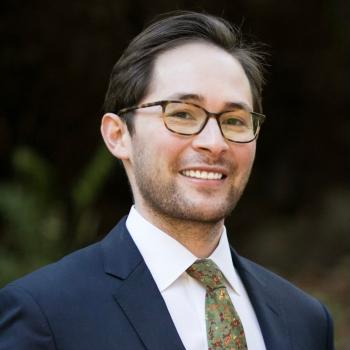
Dr. Seth Ari Sim-Son Hoffman is a clinical postdoctoral fellow in the Stephen P. Luby Lab within the Division of Infectious Diseases & Geographic Medicine, Stanford School of Medicine, Stanford University. His research interests include using advanced immunological, molecular, and analytical tools to design, evaluate, and implement interventions to reduce the burden of infectious diseases in resource-constrained settings. His work seeks to improve global health equity and to perform clinical, translational, and implementation research to benefit under-served populations globally. His background includes nearly 20 years of research efforts in molecular biology, computational biology, genomics, global health, and clinical research.
Dr. Hoffman is involved in a broad portfolio of impact-driven research to benefit under-served populations including: co-investigator of a randomized controlled trial of box-fan filters and FarUV 222nm UVGI on reducing viral upper respiratory infection transmission in primary school classrooms in Dhaka, Bangladesh; the PI of typhoid urban water supply surveillance in Liberia; data analysis and publication of a typhoid conjugate vaccine (Typbar-TCV®, Bharat Biotech) rollout in Navi Mumbai, India targeting 9-month to 16-year-old children; a co-investigator on a project attempting to characterize, using shotgun metagenomic sequencing of placentae and environmental heavy metal sampling, why women in Bangladesh suffer from a disproportionately high rate of stillbirth; studying the willingness to receive a Phase II Nipah virus (NiV) vaccine and the appropriate language for communication about a NiV vaccine in Bangladesh.