Patient Care
The Division of Pediatric Nephrology at Stanford Medicine provides specialized care for infants, children, adolescents, and young adults with kidney and related renal disorders. Our clinical programs diagnose and treat a broad range of conditions, including congenital kidney abnormalities, hypertension, glomerular diseases, chronic kidney disease, kidney failure, electrolyte disorders, and rare genetic kidney conditions. Through specialized clinics and multidisciplinary expertise, we support patients and families across every stage of kidney health.
General Nephrology
The General Nephrology Clinic evaluates and treats children with a wide range of kidney and urinary tract disorders, including blood or protein in the urine, congenital kidney and urinary abnormalities, electrolyte imbalances, nephrotic syndrome, acute kidney injury, and chronic kidney disease.
Hypertension Program
The Hypertension Program specializes in the diagnosis and treatment of high blood pressure in children of all ages, from infants to young adults. The program evaluates both primary hypertension and hypertension caused by underlying conditions such as kidney disease, heart disease, endocrine disorders, and genetic syndromes. Our multidisciplinary clinic provides comprehensive care and has expertise in advanced blood pressure monitoring techniques and both conservative and medical management.
Glomerular Disease Program
The Glomerular Disease Program focuses on diseases affecting the kidney's filtering units, known as glomeruli. The program diagnoses and treats conditions including nephrotic syndrome, focal segmental glomerulosclerosis (FSGS), lupus nephritis, IgA nephropathy, vasculitis-associated kidney disease, and other inflammatory or immune-mediated disorders that can lead to kidney damage and kidney failure.
Cystinosis Program
The Cystinosis Program specializes in the care of children and adults of all ages with cystinosis, a rare inherited metabolic disorder that causes cystine to accumulate within cells, leading to progressive kidney disease and complications affecting multiple organ systems. The program focuses on preserving kidney function, monitoring disease progression, and supporting long-term health outcomes.
Williams Syndrome Program
The Williams Syndrome Program provides nephrology care for children with Williams syndrome who may experience hypertension, kidney abnormalities, nephrocalcinosis, urinary tract concerns, and other renal complications associated with this genetic condition. The program works closely with specialists across Stanford Medicine Children's Health to address the complex medical needs of these patients.
Transplant Readiness and Anticipatory Care (TRAC) Program
The TRAC Program serves children with advanced chronic kidney disease and focuses on slowing disease progression while managing complications such as anemia, growth impairment, bone and mineral disorders, nutritional challenges, and high blood pressure. The program also prepares patients and families for future dialysis and kidney transplantation needs through education and individualized planning.
Pediatric Dialysis Program
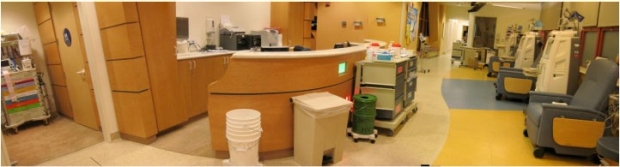
The Dialysis Program provides renal replacement therapy for children with kidney failure whose kidneys can no longer adequately remove waste products and excess fluid from the body. The program offers hemodialysis, peritoneal dialysis, and a myriad of acute therapies. The team support children who are awaiting recovery or kidney transplantation as well as those requiring long-term dialysis therapy.
Pediatric Kidney Transplant Program
The Kidney Transplant Program provides evaluation and treatment for children with end-stage kidney disease who may benefit from kidney transplantation. The program specializes in living and deceased donor transplantation, complex transplant cases, unique immunosuppressive approaches, and long-term management strategies.