Complex Regional Pain Syndrome (CRPS)
Overview
Complex regional pain syndrome (CRPS) is a severely disabling condition that usually affects the limbs, after injury or surgery. The main symptoms are severe pain, swelling, loss of range of motion, temperature changes, and changes in the skin. Although CRPS can occur anywhere in the body, it usually affects an arm, leg, hand, or foot.
CRPS most often follows trauma, such as a fracture or amputation. Still, it can even occur after a minor injury, like a sprained ankle. In rare cases, CRPS appears spontaneously, without apparent cause. It is more likely to occur during times of increased emotional stress.
The degree of pain is severe and is usually much greater than the injury would typically cause. If your physician thinks that you are slow to get better after "routine surgery," it is worth considering a diagnosis of CRPS and getting a specific workup.
CRPS is divided into two groups:
- Type 1: Also called sympathetic dystrophy, which develops without known nerve damage
- Type 2: Also called causalgia, which is the result of specific nerve damage
Symptoms
No one knows the exact cause of CRPS. It may be a disorder of the immune system that affects the nervous system, producing inflammation of the nerves that control blood flow, sensation, and temperature.
CRPS typically follows three stages of development:
- Stage 1: This stage usually lasts 1-3 months and includes the following symptoms:
- Severe burning or aching pain that increases with even a very slight touch or breeze
- Fluctuations in skin temperature between hot and cold
- Rapid growth of hair and nails
- Muscle spasms and joint pain
- Changes in the skin's color, appearance, and texture. The skin can become pale, red, purple, or mottled, and appears thin and shiny
- Increased sweating
- Stage 2: This stage typically lasts between 3-6 months, during which time the symptoms progress. The skin continues to change and the nails become brittle and cracked. The level of pain increases, and hair growth slows down. The joints stiffen and the muscles weaken.
- Stage 3: If CRPS remains untreated to this point, it becomes difficult or too painful to move the affected limb. This causes the muscles and tendons to waste (atrophy) and contract, which can ultimately cause contractures of the affected hand or foot. These changes can become permanent.
Causes
The exact cause of CRPS is unknown. It may be a disorder of the immune system that affects the nervous system, producing inflammation of the nerves that control blood flow, sensation, and temperature.
Diagnosis
There are no specific tests to diagnose CRPS. Diagnosis is usually made during a physical examination based on signs consistent with the Budapest Criteria, a list of common signs and symptoms of CRPS developed by an international consensus panel. Specific tests can help provide clues, including a bone scan to detect any changes; and tests that measure differences in skin temperature, blood flow, and sweating between affected and unaffected limbs. In some cases, x-rays can show mineral loss in the bones. Magnetic resonance imaging (MRI) can also be used to determine if tissue changes typical of CRPS and specialized magnetic resonance neurography can be used to evaluate for specific nerve involvement.
Treatment
CRPS has no cure. Treatment is most effective when started early and focuses on relieving symptoms, slowing the progression of the disease, and helping sufferers cope with the pain and lead as healthy lives as possible. A team approach provides the best results.
Available noninvasive treatments
- Medication: Several different types of drugs may be prescribed to target the various symptoms of CRPS. They include prescription and non-prescription pain medication; steroids for inflammation; blood pressure medications; drugs that can help prevent or slow bone loss; and antidepressants.
- Physical or Occupational Therapy: It is important to exercise and move the affected limb to maintain flexibility and prevent loss of muscle tissue.
- Counseling and Talk Therapy: Psychological support helps combat the depression and anxiety that are common with CRPS.
Available invasive and surgical treatments
- Anesthetics: Injected into the affected limb to numb the pain
- A sympathetic ganglion block: Injected to target the "fight or flight" nerves that can contribute to swelling and pain
- A spinal cord stimulator: Masks the pain by delivering a tingling or pleasant sensation to the affected site
- Surgery: Cuts the affected nerves and prevents painful impulses from reaching the brain. This treatment is reserved for the most severe cases of CRPS
Your doctor will discuss all of the available options and tailor treatments to maximize the effectiveness of treatment.
With CRPS, it is especially important to seek treatment early to avoid potentially permanent complications and to help cope with the pain and lead as healthy a life as possible.
Stories
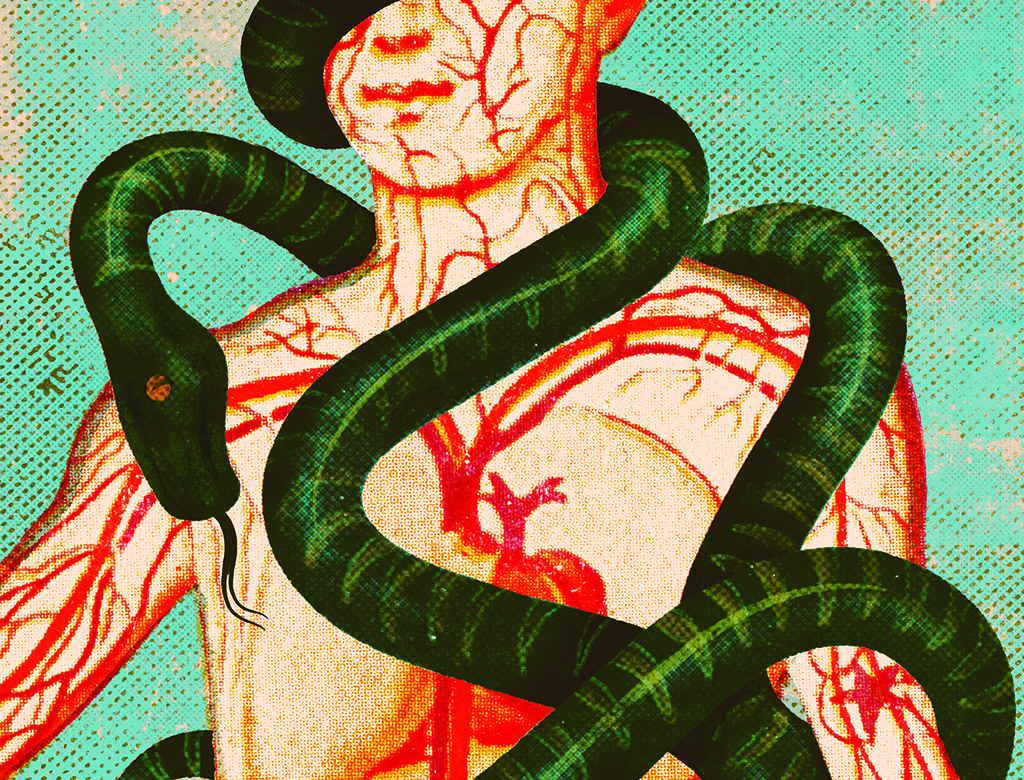 – Stanford Medicine
One doctor’s quest to turn pain off
A Stanford anesthesiologist is on a quest to help her patients escape chronic and debilitating pain.
 – STANFORD Magazine
Make It Stop
To heal the hurt, Stanford researchers are getting to the root of chronic pain.
Education
- What is CRPS? (Stanford Health Care)
- Complex Regional Pain Syndrome Fact Sheet (National Institute of Neurological Disorders and Stroke)
- Emerging Therapies for CRPS and The National Pain Strategy with Sean Mackey (Video)