News & Insights
Newsletter
Stanford Menopause - In the News
Can antihistamines really help with PMDD and menopausal symptoms?
Debilitating symptoms lead some to try over-the-counter medications Allegra and Pepcid due to a social media trend
Why anxiety can feel worse at night and what to do about it
Here’s why your mind tends to race right when you should be winding down for bed and how you can minimize the anxiety.
Treatment Options for Perimenopause Symptoms Are Emerging
Recently approved nonhormonal options can help manage a range of symptoms, and potential new treatments are gaining momentum.

Here are the menopause symptoms doctors often don't talk about
From anger to brain fog, these issues can seriously disrupt people’s lives.
 News Center
Taking on the menopause, breast cancer double whammy
Stanford Medicine gynecologists can offer tailored strategies to manage menopause symptoms in breast cancer survivors who can’t use hormone replacement therapy.
 EverydayHealth.com
Could Diabetes Be Making Your Menopause Symptoms Worse?
Midlife women with diabetes report more menopause symptoms at higher intensity than women with normal blood sugar. What does that mean for treatment?
Everyone's talking about hormone therapy for menopause. Should I be on it?
For years, doctors advised against hormone therapy for women in the menopausal transition. Now everyone's talking about how great it is. Is it really a wonder drug that women should all be on?

The Future of Menopause
Dr. Karen Adams discusses common misperceptions about menopause and its less-understood precursor, perimenopause, assuring women that safe and effective treatments are out there.

The Dry Vagina, Shrinking Labia, and Constant Peeing of Perimenopause Have a Name
It’s genitourinary syndrome of menopause—and yes, there are treatments that can help.
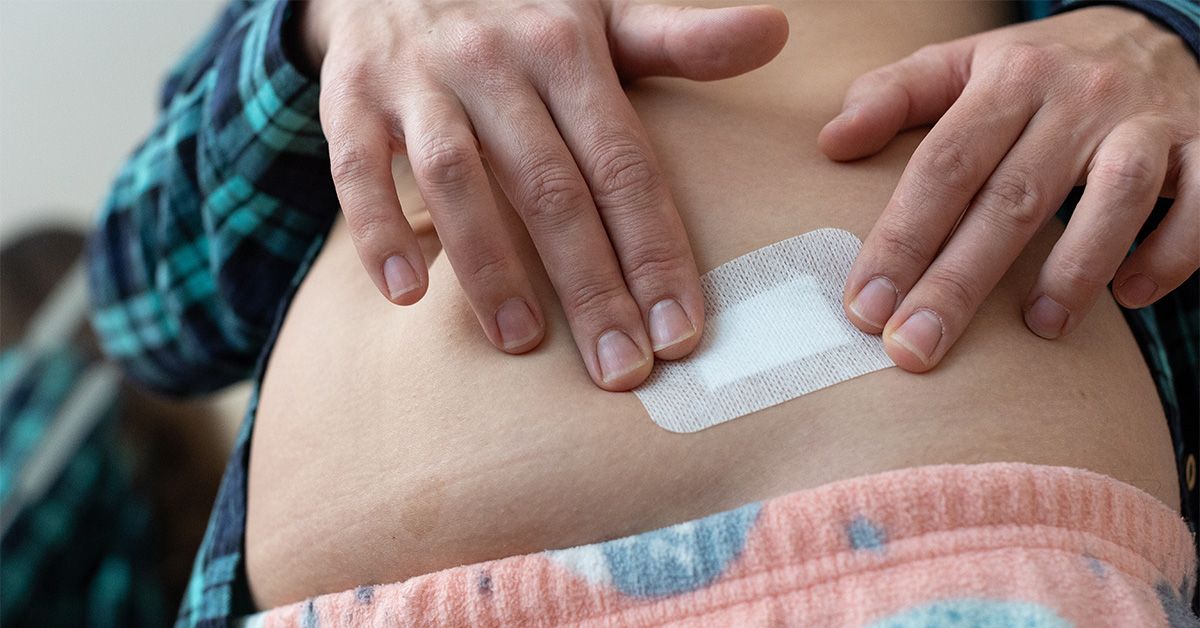
Menopause Hormone Therapy Not Linked to Dementia Risk, Review Says
A new review has shown that menopause hormone therapy is not linked to dementia risk.

This treatment is proven to ease menopause symptoms. Why is it still so underused?
Hormone therapy for menopause was all the rage around the turn of the 21st century, until a single major study appeared to blow up what everyone thought they knew about the treatment and who might benefit from it.

Perimenopause Is Ruining My Sleep. What Can I Do?
Sleeplessness is a common issue for women in midlife, but there are evidence-backed ways to address it.

What Every Woman Should Know About Menopause & Hormone Therapy
Menopause isn’t just a personal health issue; it carries serious economic implications for working women, employers, and the economy

A Shocking Number of Doctors Don’t Understand Menopause
Women deserve better health care at midlife, including more accurate information about hormone replacement therapy.

Mental health and menopause: There are connections and solutions
Many women experience extreme mood fluctuations as they approach menopause. Stanford Medicine’s Karen Adams says knowledge and access are key to aiding this normal condition.

What are perimenopause supplements—and do they work?
These pills and creams claim to help with hot flashes, bone loss, and other symptoms of the transitional phase before menopause—but do they? We asked experts.
The Wonders of the Changing Female Body-Menopause, Midlife and Beyond
In this episode Signe interviews Dr. Amy Voedisch for Part Two of the Three Part menopause series navigating the physical aspects of menopause, such as hormone therapy considerations, body changes, sex in midlife, and more.

At-Home Tests Promise to Help You Determine Your Menopause Stage—What Do Experts Think?
At-home urine, saliva, or blood tests say they can help women figure out which menopause stage they're in. But experts worry the tests may be unhelpful or even inaccurate.

Answers to your menopause (and perimenopause) questions
Leah Millheiser, MD answers basic questions, shares little-known facts and encourages doctors to learn about this biological phase.
Why 30 Isn’t Too Young to Start Thinking About—And Preparing for—Menopause
Building up your bone health, picking up some weights, and doing Kegels can help you now and later on too.