ABOUT US

The Leeper Laboratory investigates the biology of vascular disease with the goal of preventing cardiovascular events and accelerating new therapies to patients. Our work spans atherosclerosis, aneurysm disease, and related cardiometabolic conditions, combining human genetics, mechanistic biology, and translational science within a deeply clinical environment at Stanford.  Our core areas of focus include:

1) Unbiased human genetics to define the heritable component of cardiovascular disease (CVD).
We use hypothesis-free, genome-wide approaches—paired with large-scale clinical and molecular datasets—to discover genetic determinants of vascular disease risk and progression. We then “close the loop” by moving from association to mechanism: mapping causal genes and pathways, validating function in relevant vascular and immune cell systems, and using these insights to nominate druggable targets and design first-in-class therapies.

2) The intersection of cancer and cardiovascular disease—the world’s two leading killers.
Cancer and CVD share core biological programs (e.g., inflammation, immune evasion, clonal selection, tissue remodeling) and increasingly intersect clinically as patients live longer with—and after—cancer. Our lab studies the mechanistic overlap between oncologic and vascular biology, with a focus on how “tumor-like” signaling and cellular plasticity can shape vascular remodeling and atherosclerotic disease.

3) Environmental exposures in atherosclerosis, with a focus on micro- and nano-plastics.
Atherosclerosis is not only driven by genetics and traditional risk factors; it is also shaped by the environment we live in. We are developing tools and collaborations to quantify emerging exposures—especially micro- and nano-plastics—and to determine how these materials influence vascular inflammation, lipid biology, and plaque stability. Our goal is to generate actionable, mechanism-based insights that can inform both prevention and therapeutic development.

4) Translation: advancing new therapies to the clinic through Stanford Vascular Medicine.
A defining feature of the lab is a commitment to true bench-to-bedside work. In parallel with discovery science, we pursue translational programs that de-risk new therapeutic strategies and move promising interventions toward human studies, leveraging the clinical and research infrastructure of Stanford’s Vascular Medicine program.  A major focus area is restoring programmed cell removal (“efferocytosis”) in atherosclerotic plaque—reactivating the immune system’s ability to clear diseased and dying cells in order to reduce inflammation and stabilize vulnerable lesions. Recent work has advanced targeted pro-efferocytic strategies, including nanotherapy approaches designed to preserve efficacy while improving safety profiles relevant to clinical translation.

Training and mentorship.
Training physician-scientists and interdisciplinary investigators is central to our mission. We provide rigorous mentorship across experimental design, quantitative methods, and translational thinking, with the expectation that trainees develop both mechanistic depth and a clear line of sight to clinical impact. The lab also helps lead Stanford’s NIH T32 training grant in vascular biology (“Mechanisms & Innovation in Vascular Disease”), supporting a diverse community of trainees across departments and scientific discipline

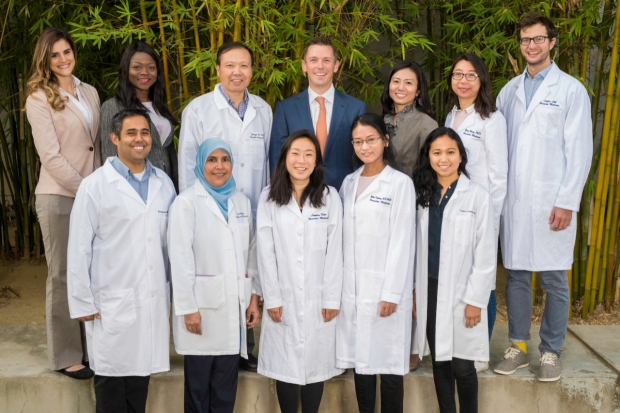
Our Team


Heart Health

"Good vascular health is the key to longevity"

Watch Elsie Ross, MD Vascular Surgeon and Eri Fukaya, MD Vascular Medicine Specialist, discuss the importance of vascular health and how to protect your vascular system.

News, Events, and Team Milestones
Congratulations to the PARADIGM team on their first co-authored editorial, highlighting the work to be performed by the group.

We’re thrilled to share that our very own Sarnoff Fellow, Sharika Bamezai, was recently featured in the Sarnoff Foundation’s October 2024 Newsletter! During her Sarnoff Fellowship in Dr. Nicholas Leeper’s lab, Shar contributed to groundbreaking research investigating the molecular parallels between cancer and atherosclerosis. Her leadership on this project resulted in a first-author publication in Nature Communications.

Dr. Nicholas Leeper Featured on EMJ Podcast

Innovations in Vascular Medicine: From Bench to Bedside

Shaping the field of cardiovascular medicine, emerging technologies have the potential to transform the treatment of cardiovascular disease. Explore the latest advancements in cardiology with Jonathan and Nicholas Leeper, Professor of Surgery, Chief of Vascular Medicine, and Director of Vascular Research at Stanford University, California, USA.

2024-2025 Sarnoff Fellowship

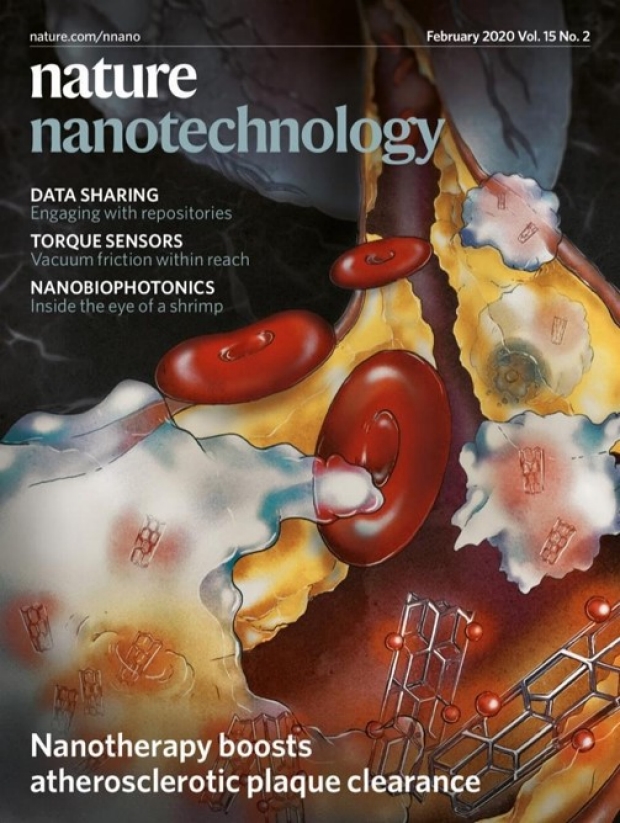
Publication in Nature Nanotechnology

Trojan horse nanoparticles deliver anti-atherosclerotic therapy specifically to the diseased blood vessel

2024-2025 Sarnoff Fellowship
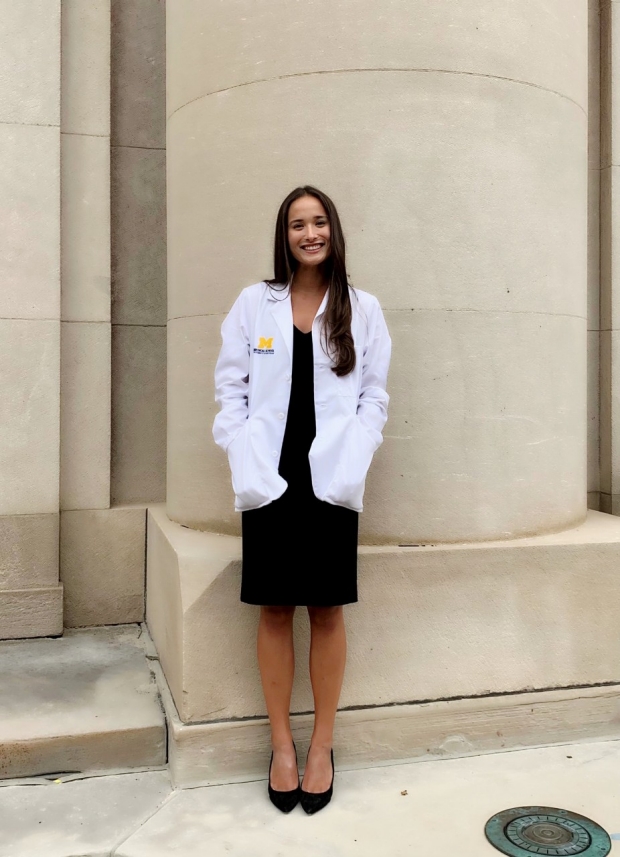
Congratulations to Leeper lab alumnae, and current University of Michigan medical student, Jessie Dalman, for being awarded a 2024-2025 Sarnoff Fellowship to study fundamental mechanisms of cardiovascular disease.  Way to go, Jessie!

2024 SVS Vascular Research Initiatives Conference (VRIC)
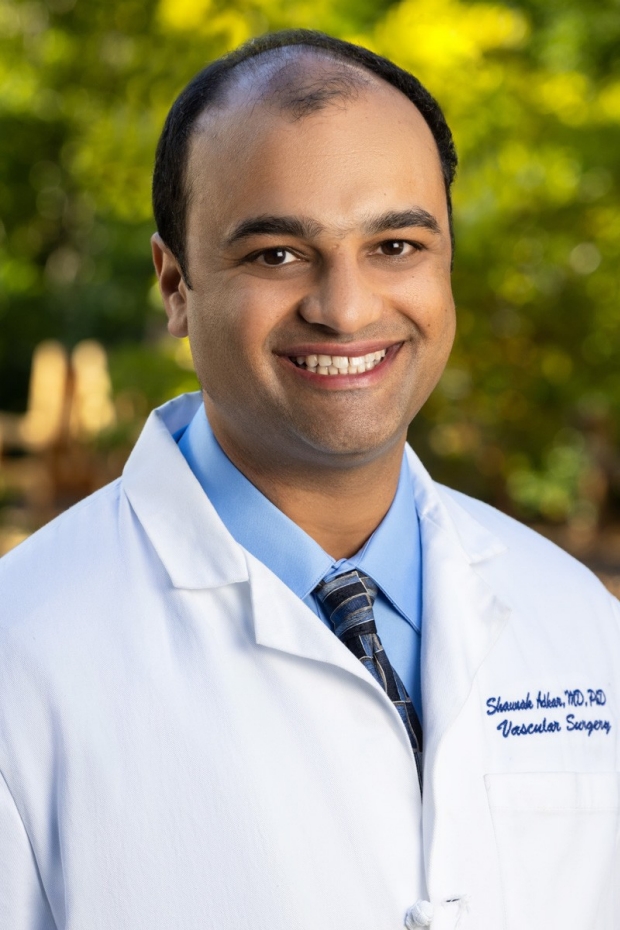
Congratulations to Shaunak Adkar, MD on receiving the 2024 SVS Foundation VRIC Trainee Award for his top-scoring abstract "Soluble Guanylate Cyclase Activators As Potential Novel Pad Therapeutics" that he will be presenting at the 2024 SVS Vascular Research Initiatives Conference (VRIC).