Annual Scientific Conference
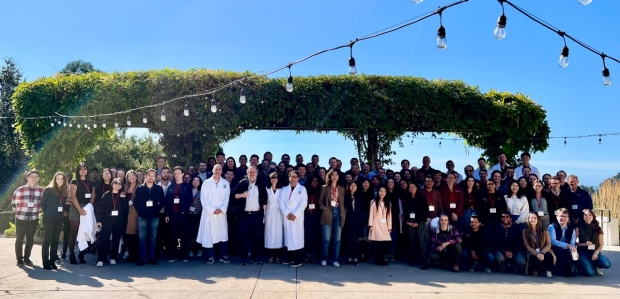
Cancer Biology Annual Scientific Conference, October 2023
Chaminade, Santa Cruz
The Annual Scientific Conference provides an opportunity for graduate students and postdoctoral fellows to present their research progress to the faculty and their peers. In addition, the Conference is designed to acquaint new first-year graduate students with the Program and to inform them of research opportunities. Faculty members have the opportunity to present at a poster session. Cancer Biology graduate students are required to attend the Conference.
Location: Chaminade Resort Santa Cruz
Program Starts: Friday, October 27, 2023
Program Ends: Saturday, October 28, 2023


2023 Recipient
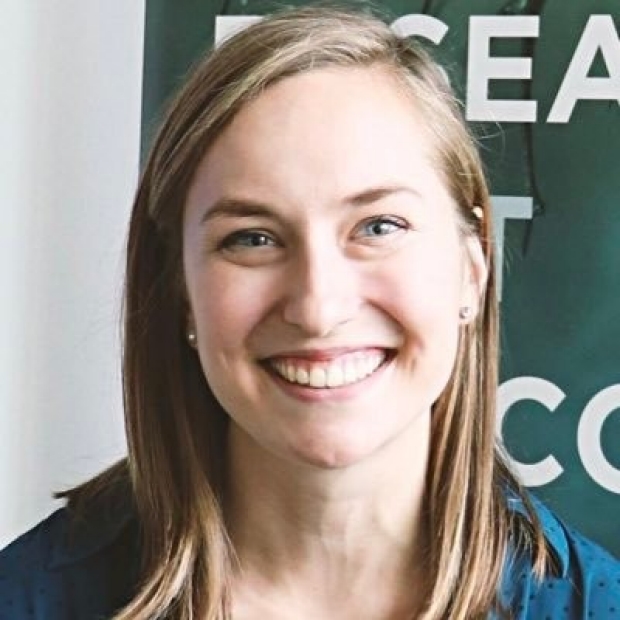
Emily Hamilton, Ph.D.
Postdoctoral Scholar, Dr. Max Diehn, Stanford University School of Medicine
Emily received her BA from Columbia University, majoring in Neuroscience & Behavior and minoring in Music. She then worked as a research assistant at UCSF, where she studied the (epi)genomic evolution of low-grade glioma in the lab of Dr. Joe Costello, and pre-natal exposure to toxic flame retardants in the lab of Dr. Susan Fisher. She entered the Cancer Biology PhD Program at Stanford in 2016, where she joined the labs of Drs. Max Diehn and Ash Alizadeh. There, her thesis work focused on developing noninvasive methods for the early detection of lung cancer using cell-free DNA. During her PhD, she was awarded a Predoctoral Fellowship from the Tobacco-Related Disease Research Program (TRDRP). Emily graduated in December 2022, and continues her research as a postdoc in the Diehn lab where she hopes to validate her recent approach to cancer detection using cell-free DNA methylation.
2023 Cancer Biology Retreat Winners
Best Talks
- Karmen Aguirre
- Edel McCrea
- Santiago Sanchez
Best Posters
- Peter Du
- Karen Linde-Garelli
- Emily Shen
The Denise A. Chan Best Thesis Award in Cancer Biology
2022 Recipient
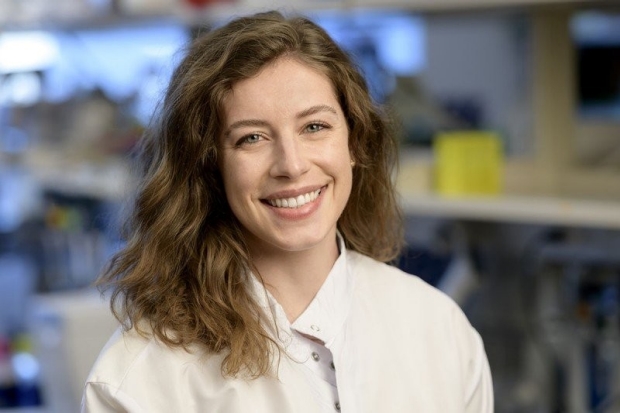
Andrea Chaikovsky, Ph.D.
Postdoctoral Researcher, Dr. Scott Lowe Lab, Memorial Sloan Kettering Cancer Center
Andrea earned her bachelor's degree from UCLA, where she studied the role of cellular metabolism in the differentiation of human embryonic stem cells in the lab of Dr. Michael Teitell. After graduating in 2015, she entered the Cancer Biology program at Stanford and joined the lab of Dr. Julien Sage. In the Sage lab, she studied novel mechanisms that regulate the activity of the RB tumor suppressor, with an eye towards better understanding cancer resistance to CDK4/6 inhibitors. During her PhD, she was awarded the NSF Graduate Research Fellowship and the F99/K00 Predoctoral to Postdoctoral Transition Award from the NCI. She graduated from Stanford in December 2021 and transitioned to a postdoc in the lab of Dr. Scott Lowe at Memorial Sloan Kettering Cancer Center in New York, There, she is studying how mechanisms regulating cellular plasticity promote the benign-to-malignant transition in pancreatic cancer.