VETERAN RESEARCH
Exploring the Possible Causes of Gulf War Syndrome
A prominent condition affecting Gulf War Veterans is a cluster of medically unexplained chronic symptoms that can include fatigue, headaches, joint pain, indigestion, insomnia, dizziness, respiratory disorders, and memory problems.
The VA refers to these illnesses as "chronic multi-symptom illness" and "undiagnosed illnesses."
We prefer not to use the term “Gulf War Syndrome” when referring to medically unexplained symptoms reported by Gulf War Veterans. Why? Because symptoms vary widely.
Headaches (HA), muscle and joint pain, are some of the most common debilitating symptoms in military personnel served in the 1990-1991 Persian Gulf War (GW1).
Migraine like HA and diffuse body pain were detected in 64% of Gulf War Veteran (GWV) diagnosed with Gulf War Illness (GWI).
Likewise, depression carries a very high co-morbid rate (50%) in patients with chronic pain, and in GWV with GWI related chronic HA and body muscle and joint pain conditions (GWI-HAP).
GULF WAR ERA
Medically Unexplained Illnesses & Chronic Impairment

Unfortunately, conventional pharmacological treatments for GWI-related pain has not been shown to be effective and drugs such as narcotics contain many long term untoward psychosomatic and abusive side effects.
rTMS in Alleviating Pain and Co-Morbid Symptoms in Gulf War Veterans Illness (GWVI) and Long Term Efficacy of Neuronavigation Guided rTMS in Alleviating Gulf War Illness Related Headaches and Pain Symptoms.
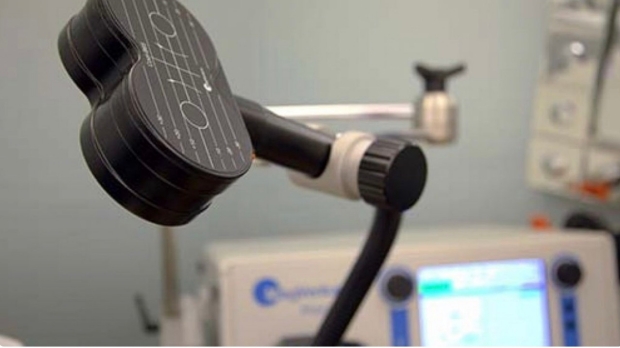
This study is assessing the effectiveness of repetitive transcranial magnetic stimulation (rTMS), non-invasive treatment option, in alleviating headaches, muscle, and joint pain symptoms of GWI.
Veterans will receive either active or sham Transcranial Magnetic Stimulation (rTMS) - A non-invasive treatment that emits magnetic pulses to stimulate the brain to the left dorsolateral prefrontal cortex (LDLPFC) or the left motor cortex (LMC).

Learn more about the Adamson Lab Gulf War Study
Adamson Lab News
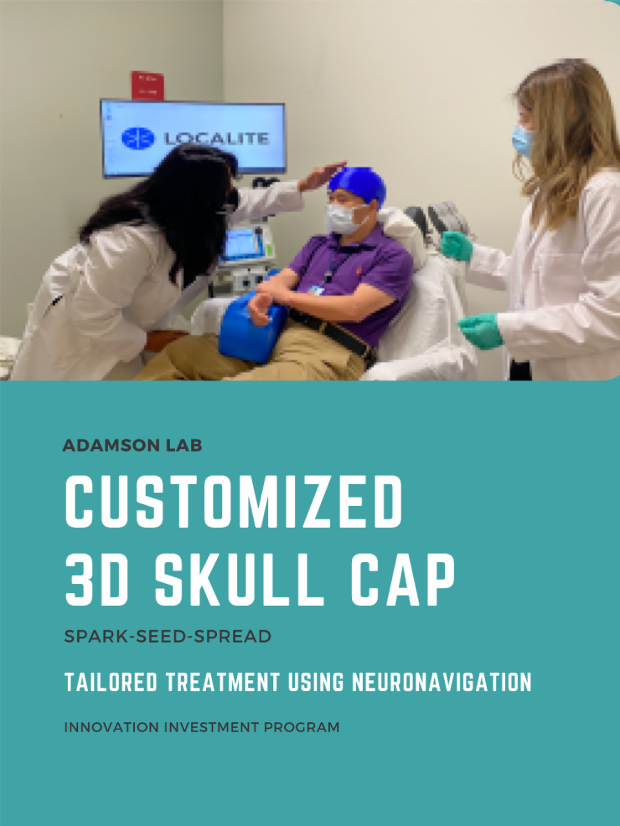
Dr. Adamson showcases the neuronavigation device to offer precise and targeted rTMS treatment.