SGTC in the News

Digital assay for rapid electronic quantification of clinical pathogens using DNA nanoballs
Electronic detection of self-assembled DNA nanoballs enables simple label-free pathogen detection.

DNA Nanoball Method Detects SARS-CoV-2 and Other Pathogens with Simple Electronic Device
DNA nanoballs can be used for developing electrically-based devices for detecting specific targets at the point-of-care setting.

Blood tests for chronic fatigue syndrome
People with myalgic encephalomyelitis/chronic fatigue syndrome can wait years for diagnoses; biomolecular tests are finally in development.
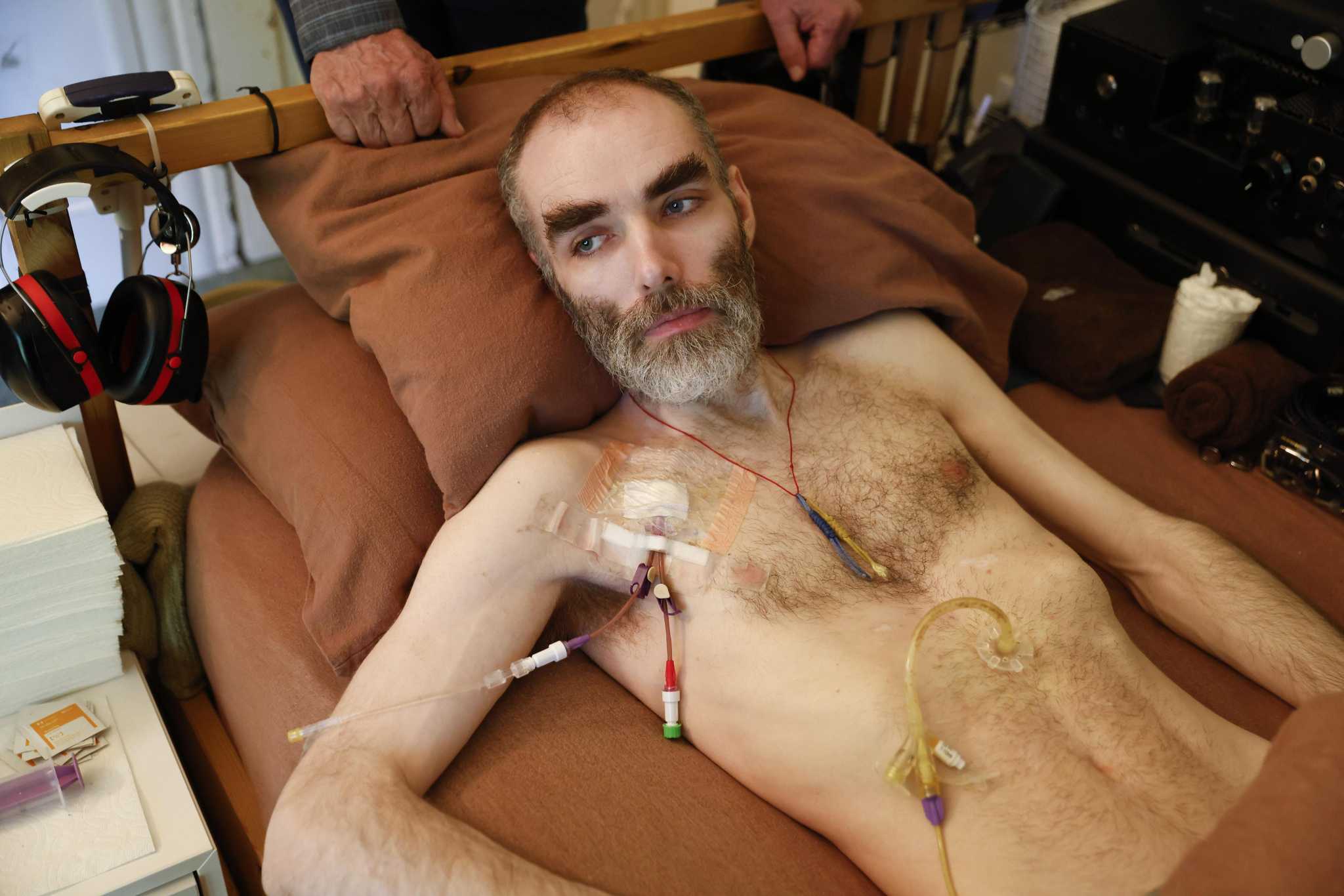
A long-hidden disease is pulled from the shadows by its cousin, long COVID
Like long COVID sufferers, people with the disease called ME/CFS, or chronic fatigue...
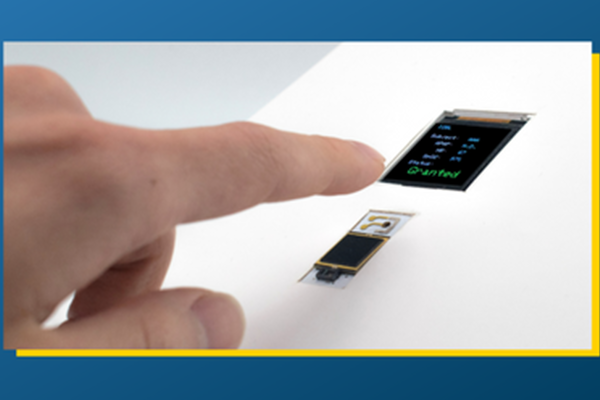
Encrypted, One-Touch, Human-Machine Interface Technology Unveils User Physiology
Researchers at UCLA and Stanford University have developed a secure, noninvasive, one-touch technology using hydrogel-coated chemical sensors and a signal-interpretation
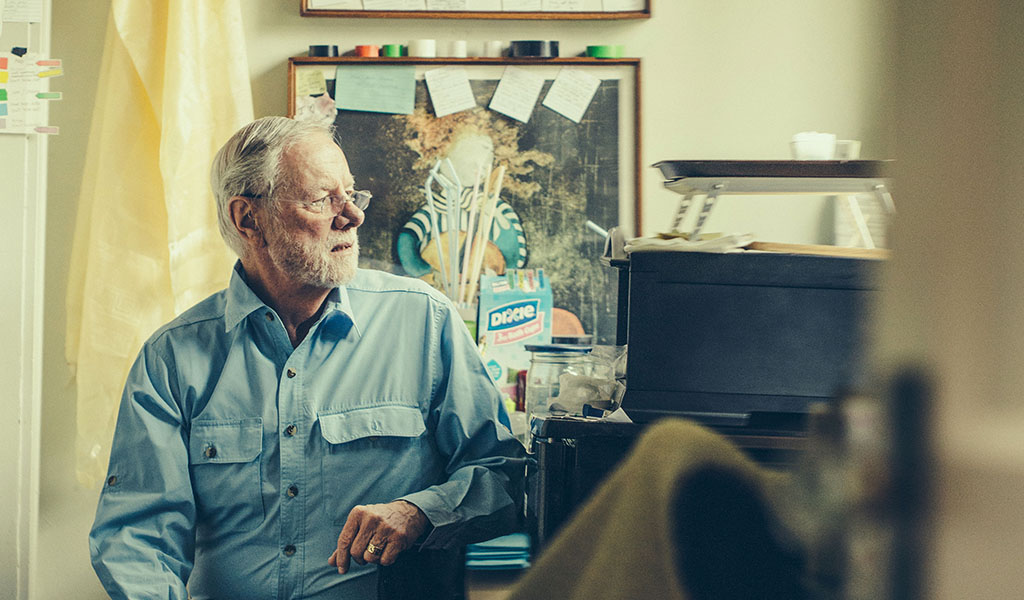
/ron-davis-1-c0cc516b59f94fd5aa14be0c91786b02.jpg)
Scientist Ron Davis Is Fighting to Cure His Son's Chronic Fatigue Syndrome: 'It's Like a Living Death'
Stanford geneticist Ron Davis tackles the chronic fatigue syndrome that has left his 37-year-old son bedridden
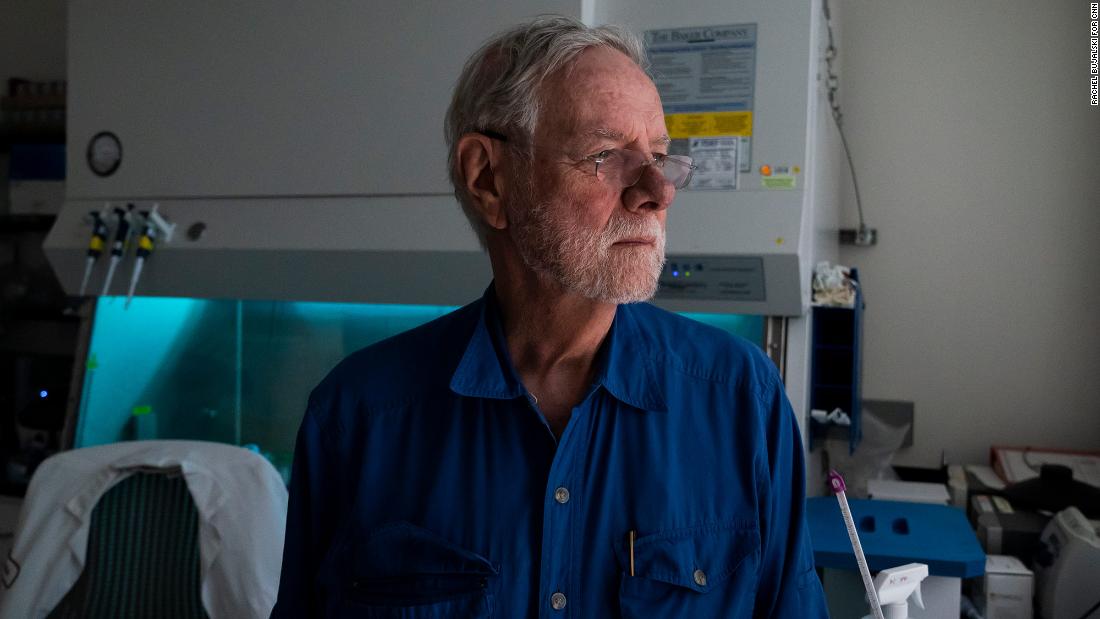
A scientist's quest to cure his son could help unravel the mystery of Covid-19 long haulers
After his son developed a mysterious disease following a viral infection, Stanford geneticist Ron Davis dropped everything to focus on curing the illness. That work on a cure for ME/CFS gives him unique insight into treating the viral aftereffects in Covid long haulers.
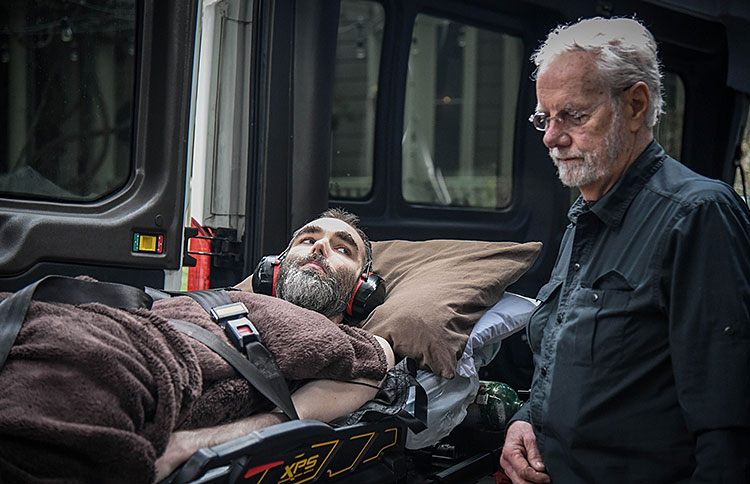
“The Puzzle Solver”: Exploring A Medical Mystery — TPG, Inc.
Exploring Medical Mystery The Puzzle Solver Follows Father Fight For His Son Jondi Gumz Times Publishing Group Inc tpgonlinedaily.com
Lab News
Anna Okumu: Clinical Research Coordinator Associate SGTC
CONGRATULATIONS ANNA!
"The office of Diversity, Equity, Inclusion and Belonging in University Human Resources is proud to announce the 157 Honorees for the inaugural Inclusion, DIversity, Equity, and Access in a Learning, Environment (IDEAL) Honor Roll for Staff!
This award recognizes Stanford staff members who have demonstrated a significant commitment to advancing diversity, equity, inclusion and belonging efforts at Stanford University through Leadership, practices, processes. actions and/or initiatives. they were recognized at a special reception during the annual IDEAL DCP Conference on Monday, September 18, 2023."
Anna was also named for her efforts in DEIB initiatives. Anna has been a core member of the Stanford Black Staff Alliance for several years and also helped to organize events for Juneteenth and MLK day (https://stanfordmlk.sites.stanford.edu/ and https://juneteenth.stanford.edu/)