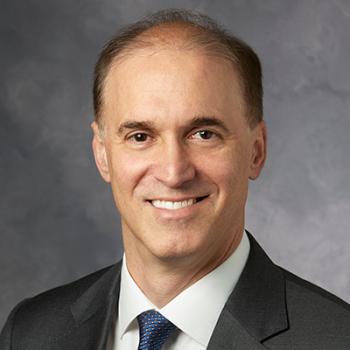
Steven Artandi
Academic Appointments
- Professor, Medicine - Hematology
- Member, Stanford Cancer Institute
- Member, Bio-X
- Professor, Biochemistry
Key Documents
Contact Information
-
Clinical Offices
Hematology Clinic 300 Pasteur Dr A175 MC 5312 Stanford, CA 94305 Tel Work (650) 498-6000 Fax (650) 725-8950Hematology Clinic 875 Blake Wilbur Dr Clinic C MC 5820 Stanford, CA 94305 Tel Work (650) 498-6000 Fax (650) 498-5030
- Academic Offices
Personal Information Email Tel (650) 736-0975Not for medical emergencies or patient use
Professional Overview
Clinical Focus
- Cancer> Hematology
- Medical Oncology
Honors and Awards
- Fellow, American Association for the Advancement of Science (AAAS) (2008)
Professional Education
| Medical Education: | Columbia University, NY USA (1995) |
| Residency: | Massachusetts General Hospital MA (1997) |
| Fellowship: | Dana-Farber Cancer Institute MA (2000) |
| Ph.D.: | Columbia University, Microbiology (1995) |
| M.D.: | Columbia University (1995) |
| A.B.: | Princeton University, Chemistry (1986) |
Graduate & Fellowship Program Affiliations
Internet Links
Scientific Focus
Current Research Interests
Telomeres, the nucleotide repeats that cap the ends of eukaryotic chromosomes, serve critical roles in promoting cell viability and in maintaining chromosomal stability. In humans, telomeres shorten progressively with cell division and aging because DNA polymerase cannot fully replicate the extreme ends of chromosomes. Critical telomere shortening and loss of the protective telomere capping function in cell culture initiates senescence and crisis responses that profoundly alter chromosome stability, cell cycle progression and survival. Expression of telomerase, the reverse transcriptase that synthesizes telomere repeats, is sufficient to lengthen and stabilize telomeres, thus enabling cells to proliferate in an unlimited fashion. Telomerase is expressed in stem cells and progenitor cells in self-renewing tissues, is downregulated with differentiation and upregulated in the vast majority of human cancers. In the Artandi lab, we are interested in unraveling the molecular and cellular mechanisms according to which telomeres and telomerase modulate stem cell function and carcinogenesis.
TERT and STEM CELLS
Telomerase is comprised of two subunits: TERT, the telomerase reverse transcriptase, and TERC, the telomerase RNA component. In stem cell and progenitor cell compartments, TERT serves a critical role in maintaining telomere length and function to support tissue homeostasis. However, TERT serves an additional function in stem cells, distinct from its role in telomere lengthening. Using a conditional transgenic mouse system, we recently showed that TERT can promote proliferation of quiescent epidermal stem cells. Induction of TERT in mouse skin caused a rapid transition in hair follicle from the resting phase (telogen) to the active phase (anagen) of the hair follicle cycle and robust hair growth. We showed that this novel function for TERT was independent of TERC and therefore independent of TERT's previously understood role in telomere synthesis. We are actively investigating this non-canonical function for TERT in stem cell populations.
TISSUE REGENERATION AND AGING
Aging in humans and other mammals is associated with impaired proliferative responses in settings of stress, suggesting that altered stem cell function may underlie certain aspects of aging. We are interested in understanding how stem cells self-renew and differentiate and how TERT modulates stem cell function. We showed that conditional activation of TERT causes stem cells to proliferate, leading to a new anagen cycle. By promoting the developmental switch to anagen, TERT led to robust hair synthesis. We are actively investigating the effects of TERT on other adult stem cell compartments and pursuing the mechanism of TERT action through diverse appraoches.
CANCER AND CHROMOSOME INSTABILITY
Telomeres shorten profoundly during the early stages of human carcinogenesis due to insufficient levels of telomerase. Marked telomere shortening is evident even in the pre-invasive pathological stages of epithelial cancer development in humans. We showed previously that telomere dysfunction impairs cell survival via activation of the tumor suppressor p53. In mice that lack both telomerase and p53, this checkpoint function is abrogated, allowing increased cell survival in the setting of worsening telomere function. Telomere dysfunction in the absence of the p53 checkpoint promotes spontaneous cancer in epithelial organs, including breast cancer, skin cancer and colon. We are interested in generating mouse models of human cancer in which telomere shortening promotes cycles of chromosomal instability to understand the earliest stages of cancer development. We have a specific interest in breast cancer, which is the most common malignancy in women. Our laboratory is investigating the role of mammary stem cells in breast cancer through the creation of novel mouse models that will reproduce the chromosomal instability seen in human breast cancer.
Publications
- Reversible cell-cycle entry in adult kidney podocytes through regulated control of telomerase and Wnt signaling. Nat Med. 2012; (1): 111-9
- TPP1 OB-fold domain controls telomere maintenance by recruiting telomerase to chromosome ends. Cell. 2012; (3): 481-94
- Disruption of telomerase trafficking by TCAB1 mutation causes dyskeratosis congenita. Genes Dev. 2011; (1): 11-6
- Genomic maps of long noncoding RNA occupancy reveal principles of RNA-chromatin interactions. Mol Cell. 2011; (4): 667-78
- In situ genetic correction of the sickle cell anemia mutation in human induced pluripotent stem cells using engineered zinc finger nucleases. Stem Cells. 2011; (11): 1717-26
- TRAPping telomerase within the intestinal stem cell niche. EMBO J. 2011; (6): 986-7